On hosting NIME2025 in Canberra
05 Feb '26
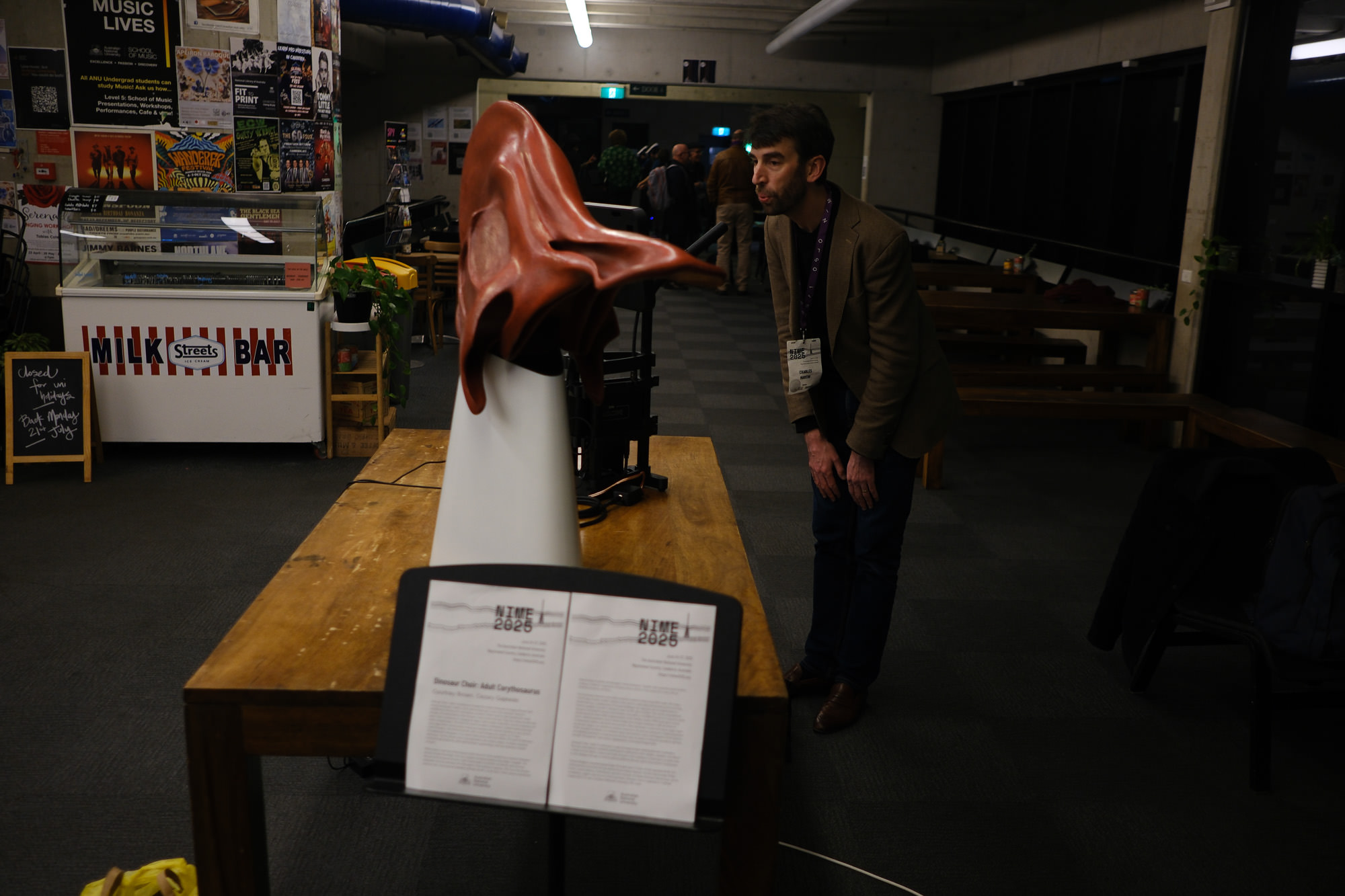
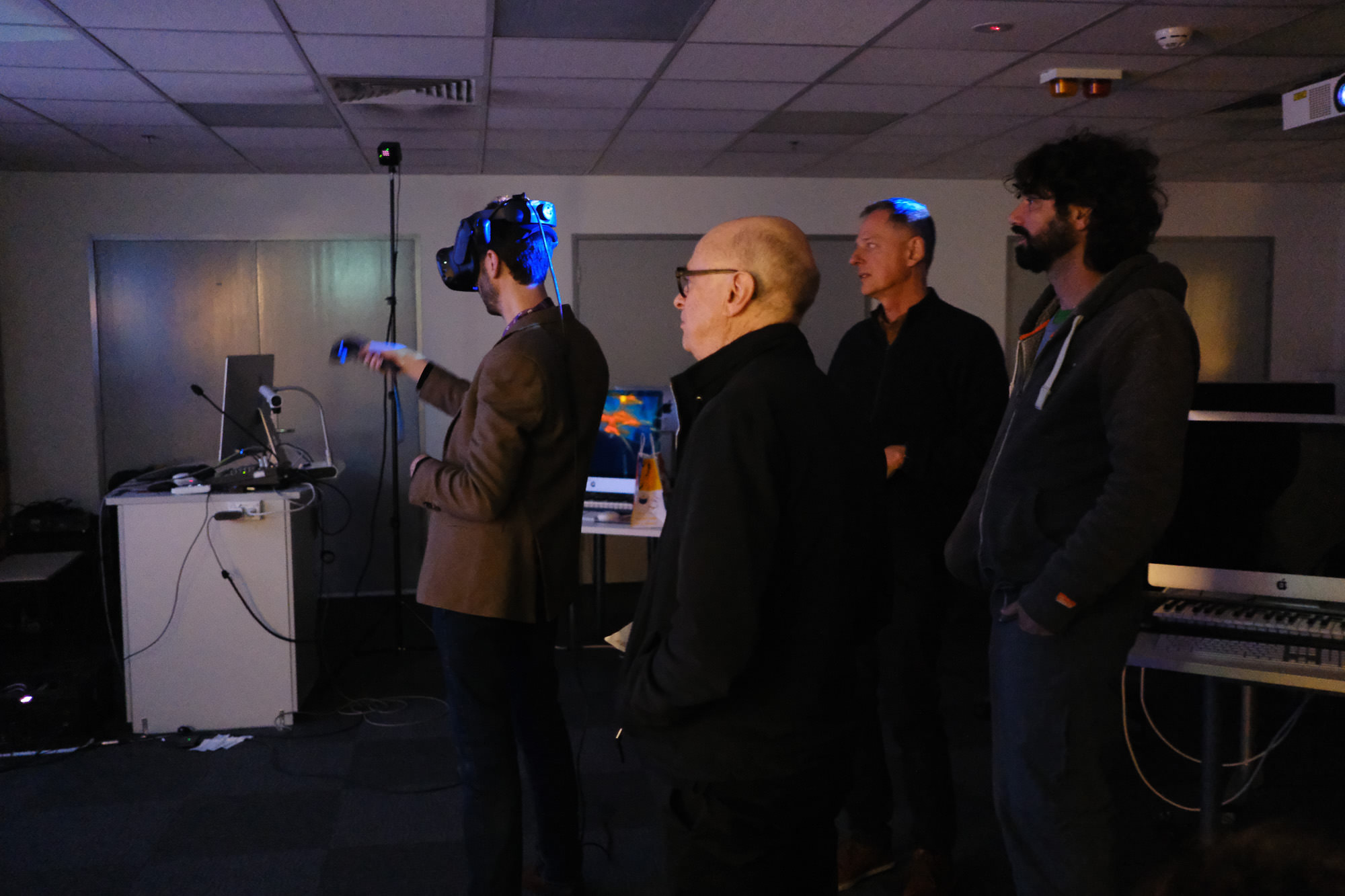
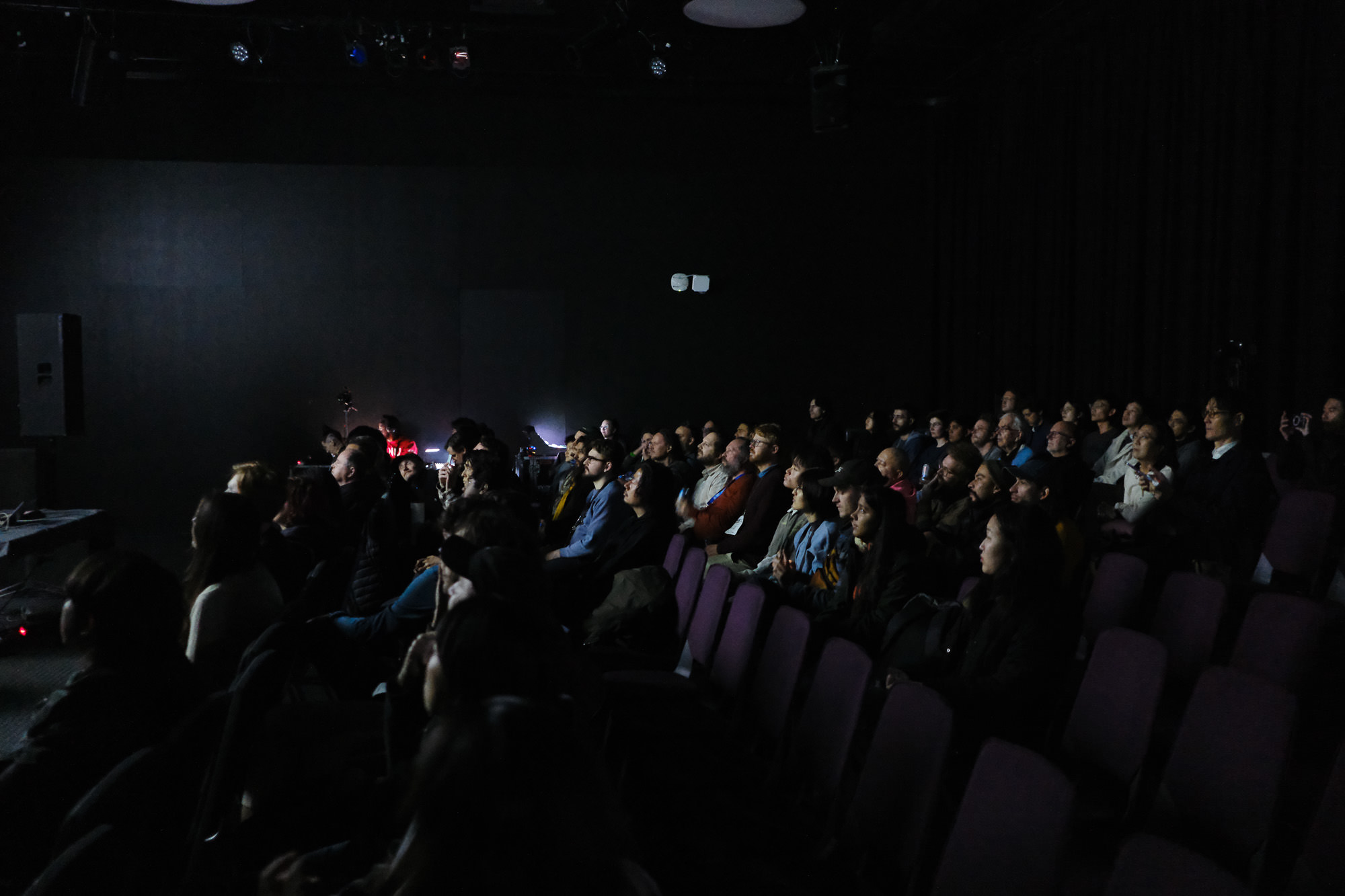
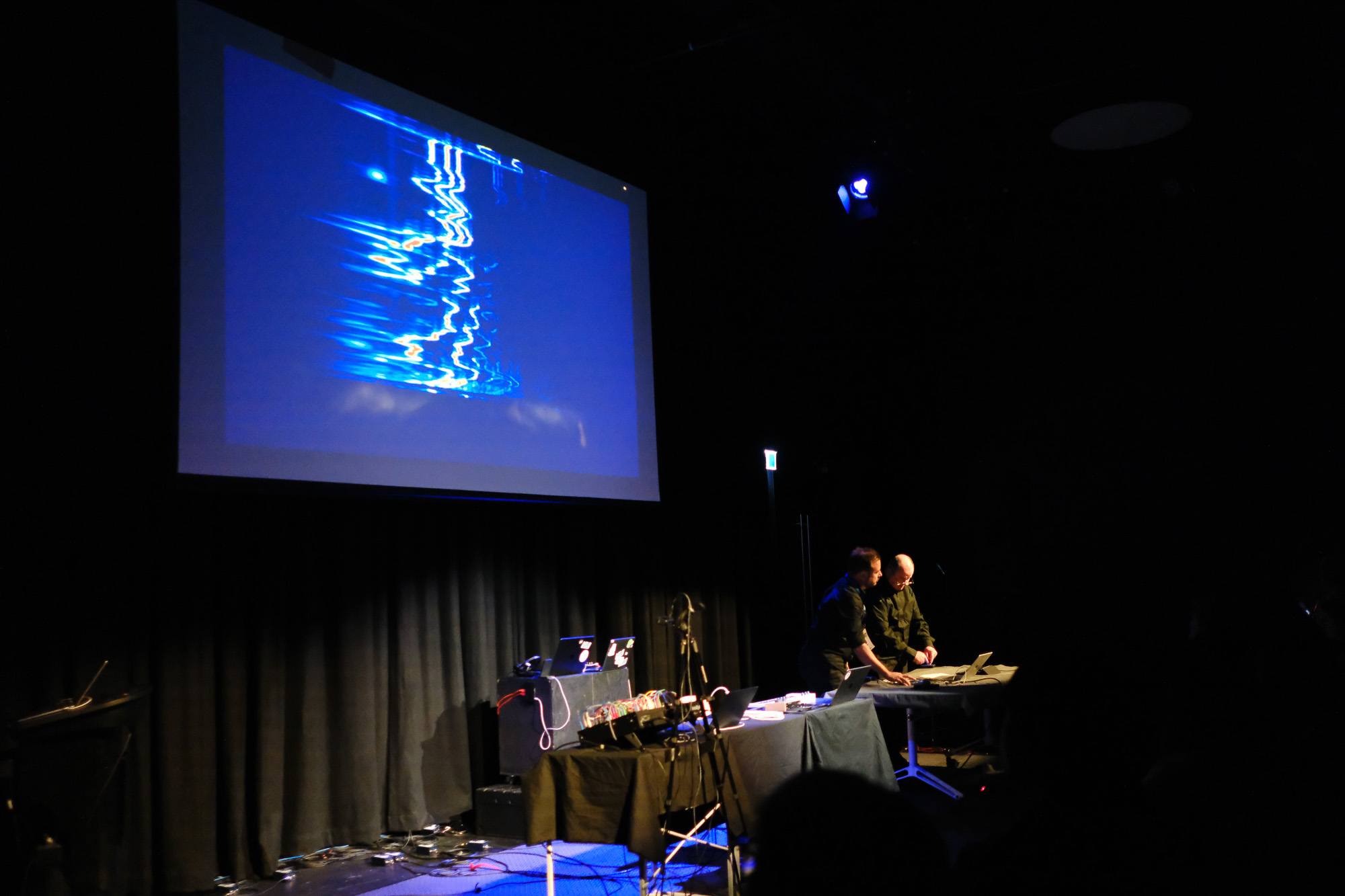
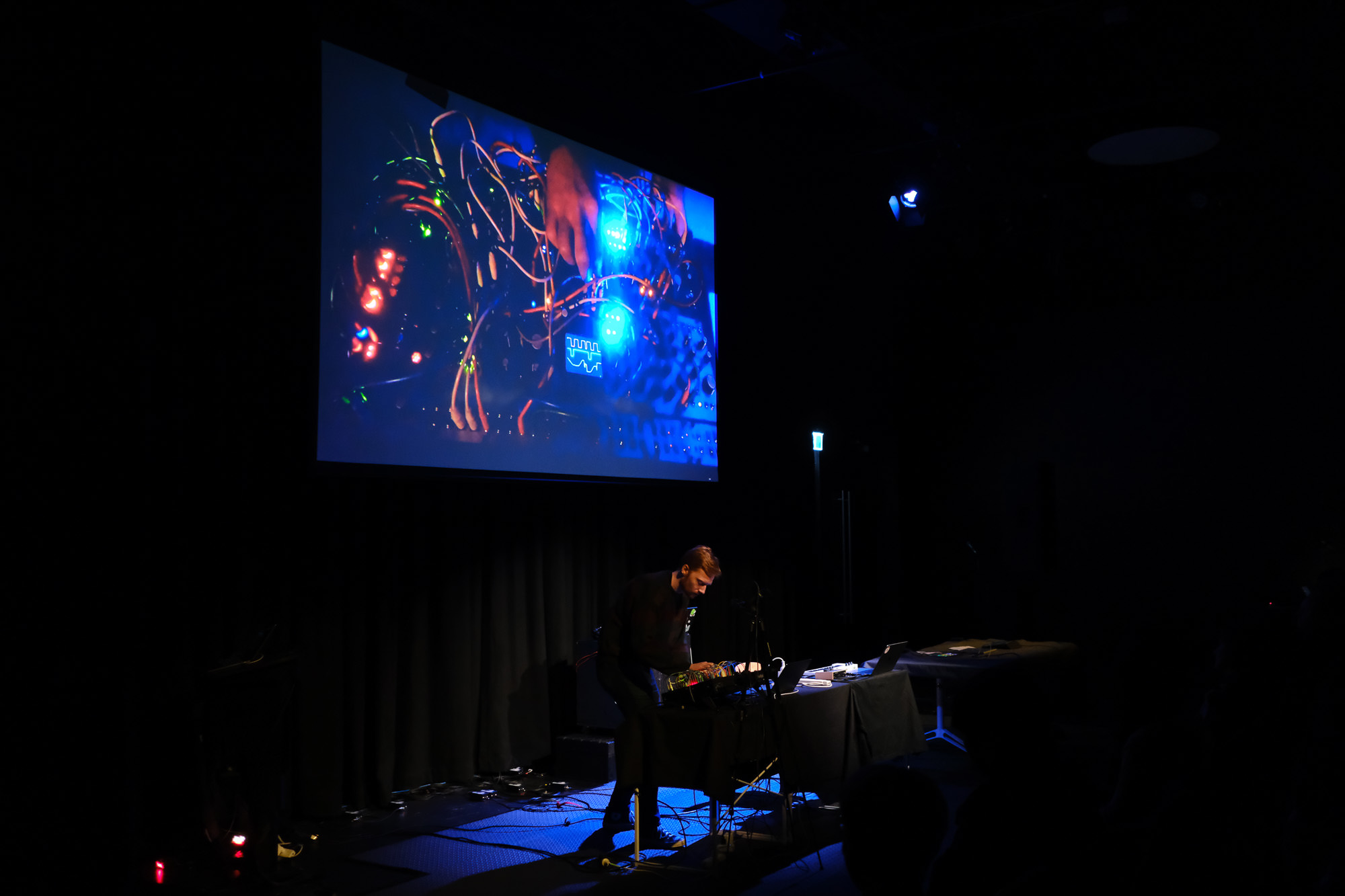
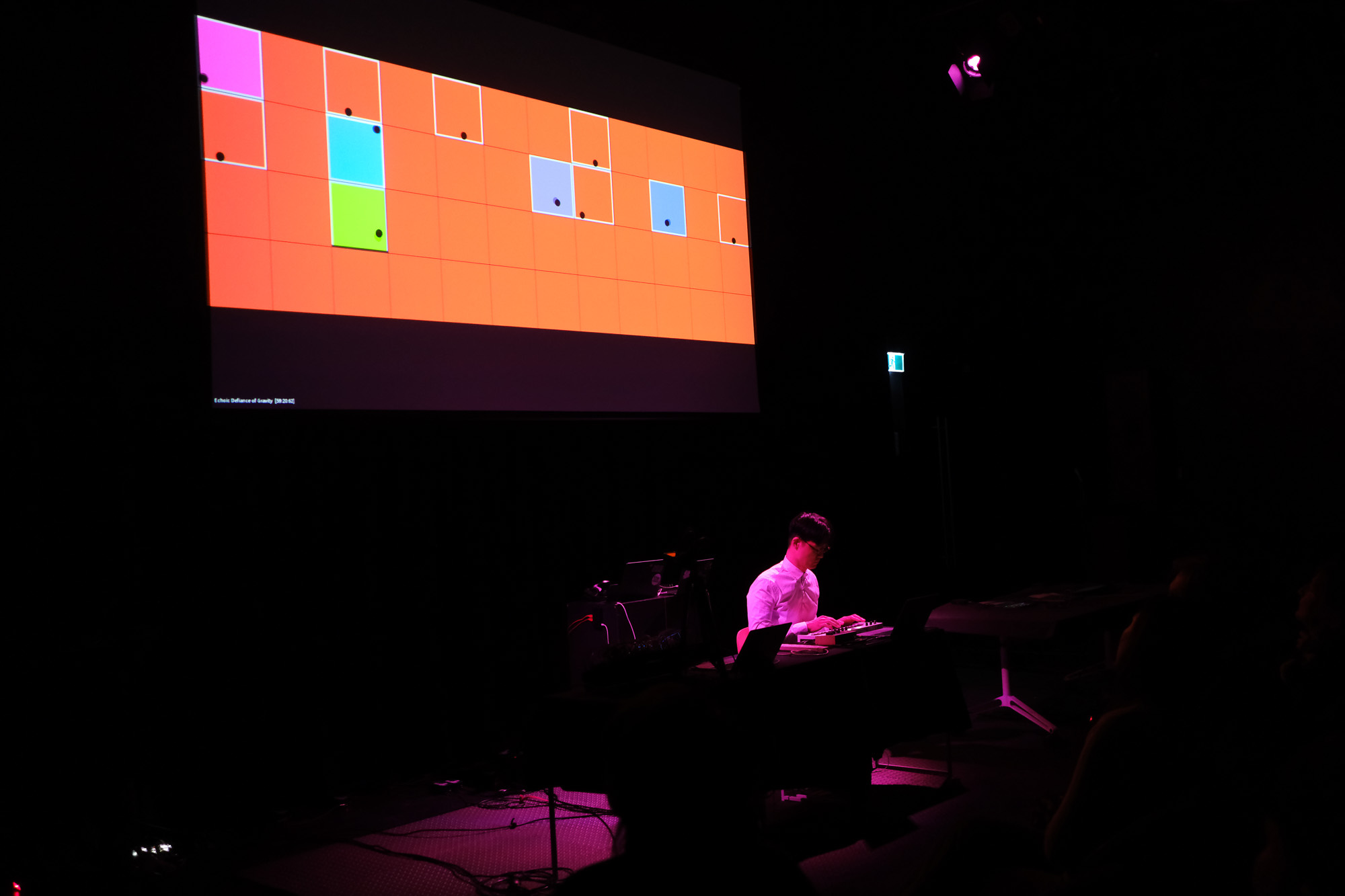
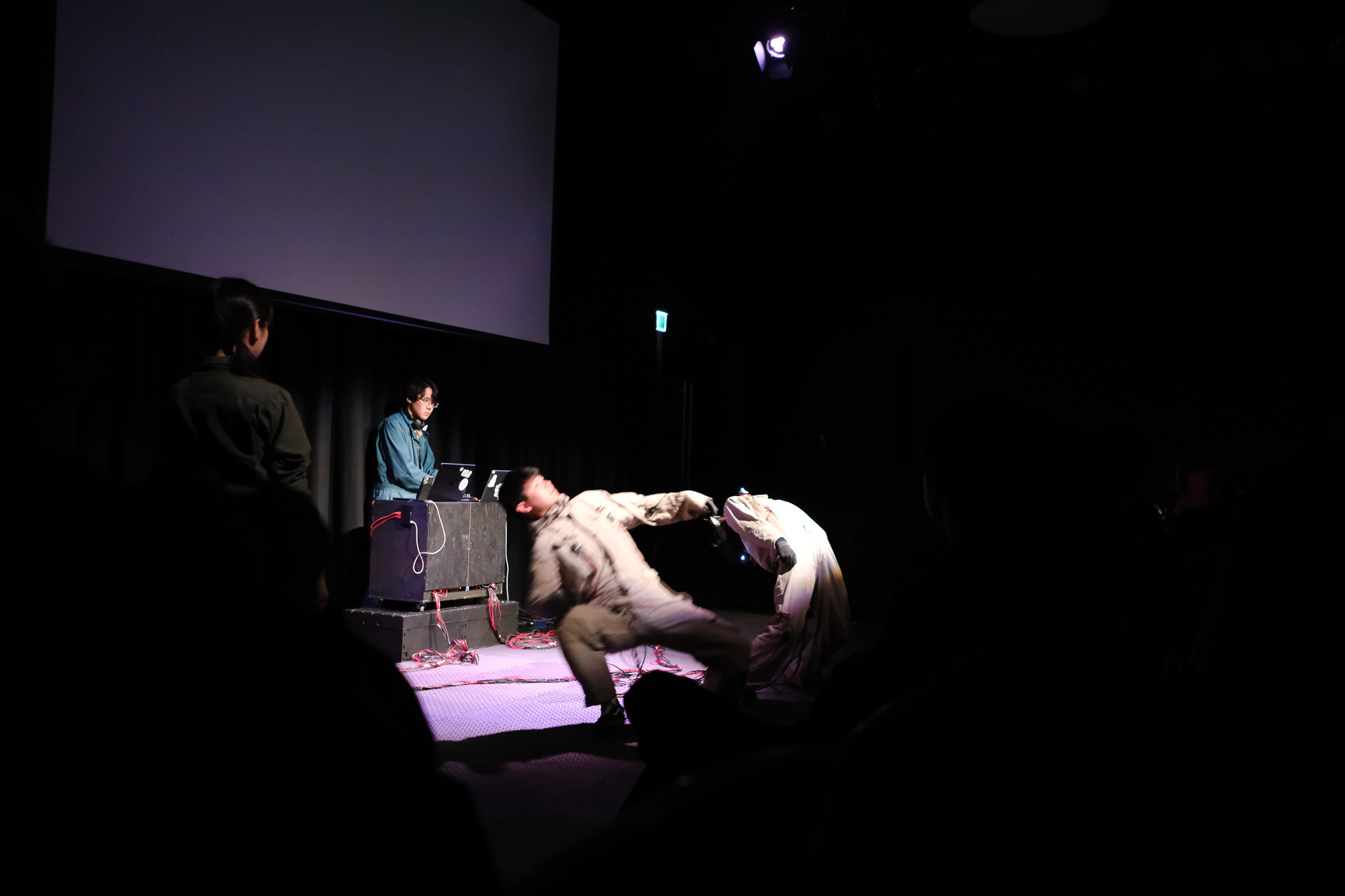
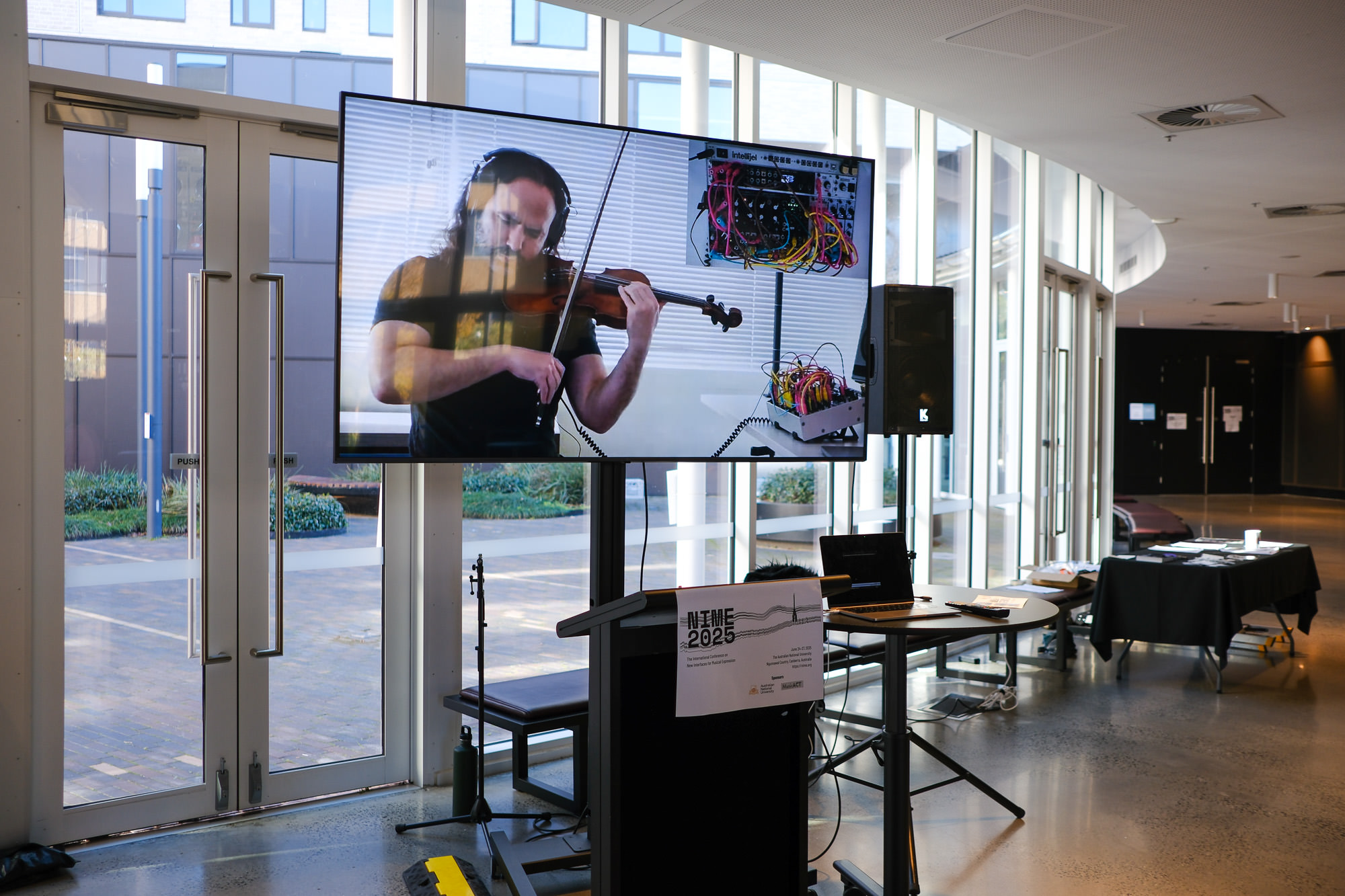
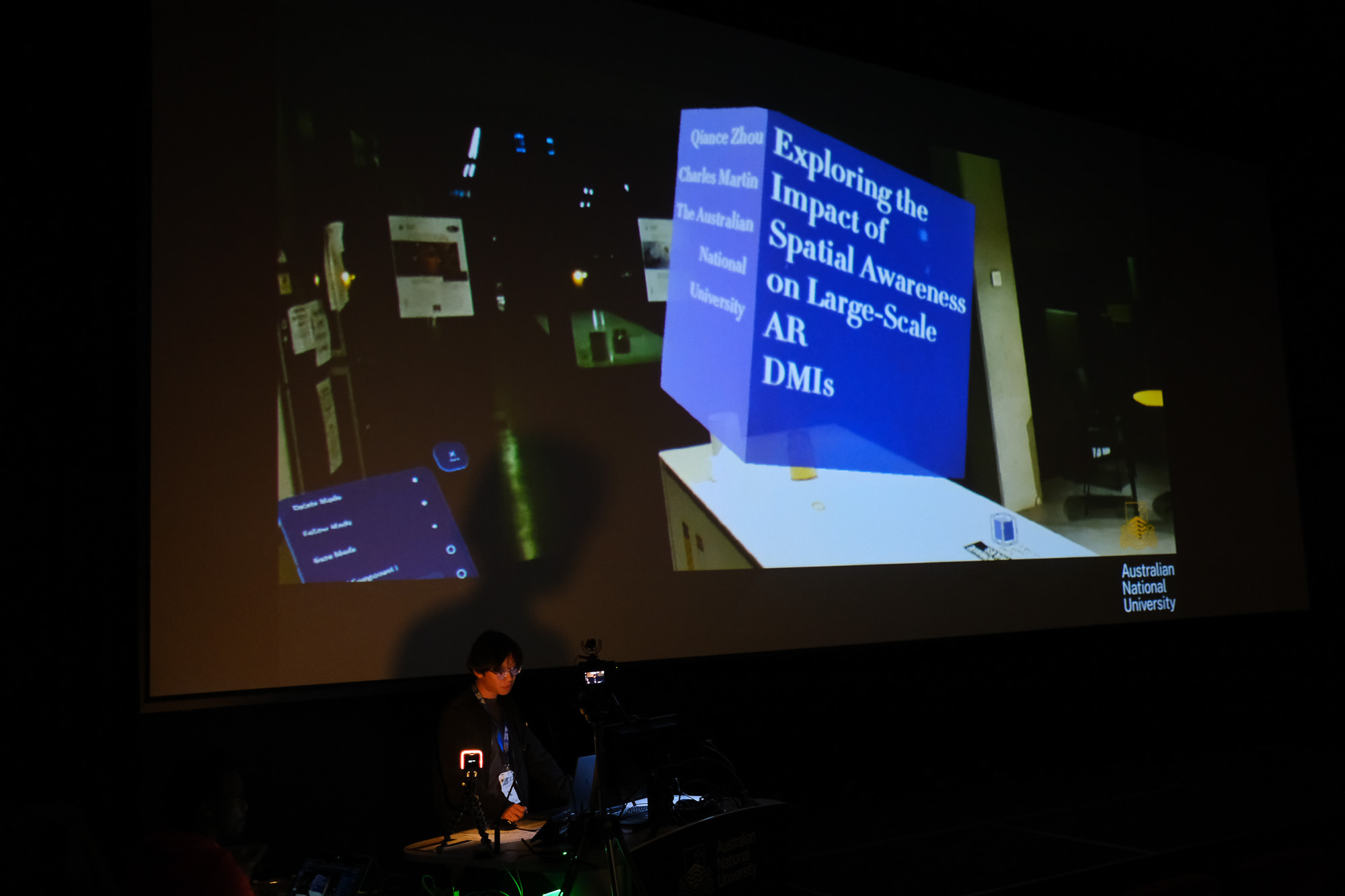
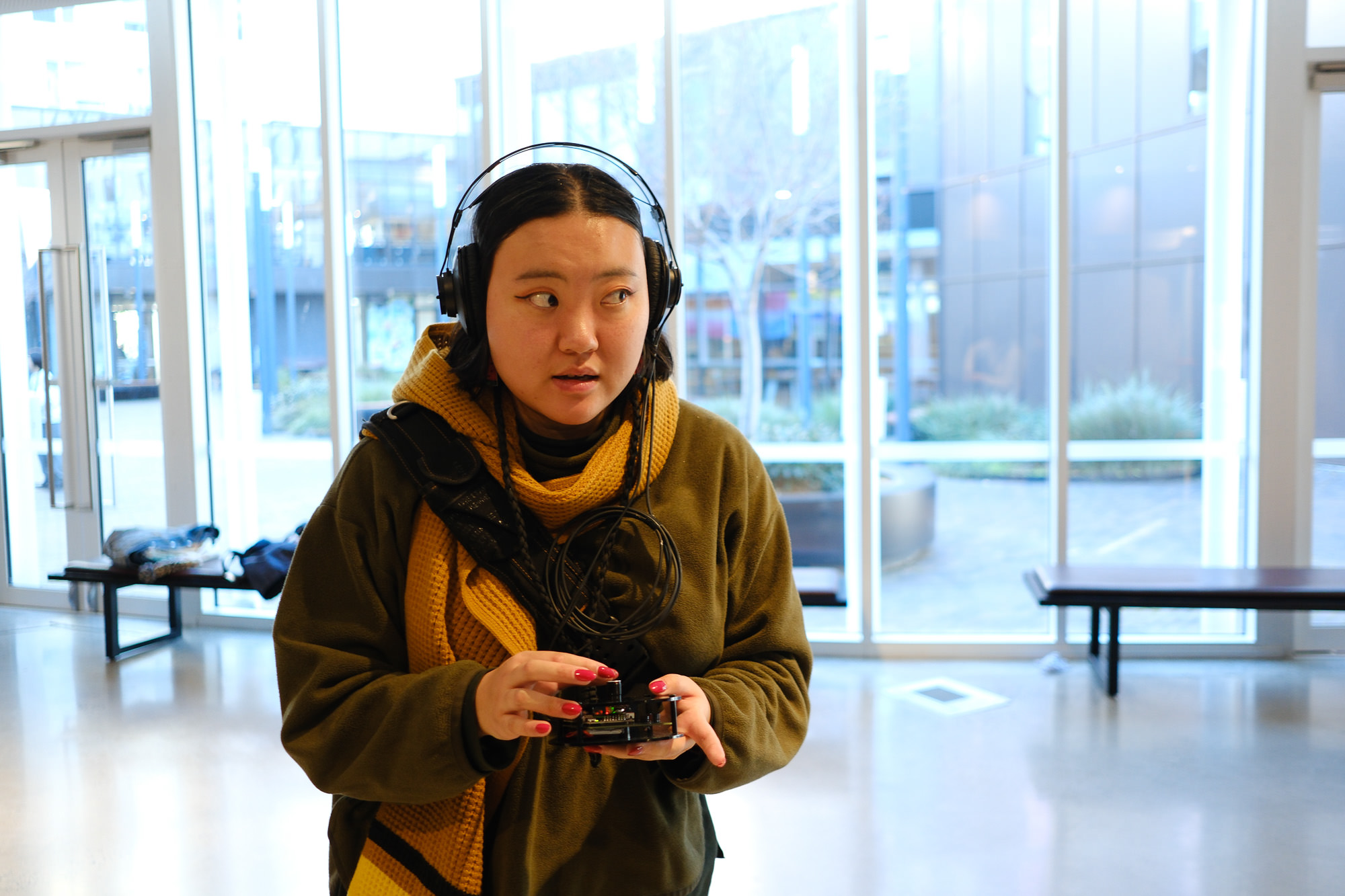
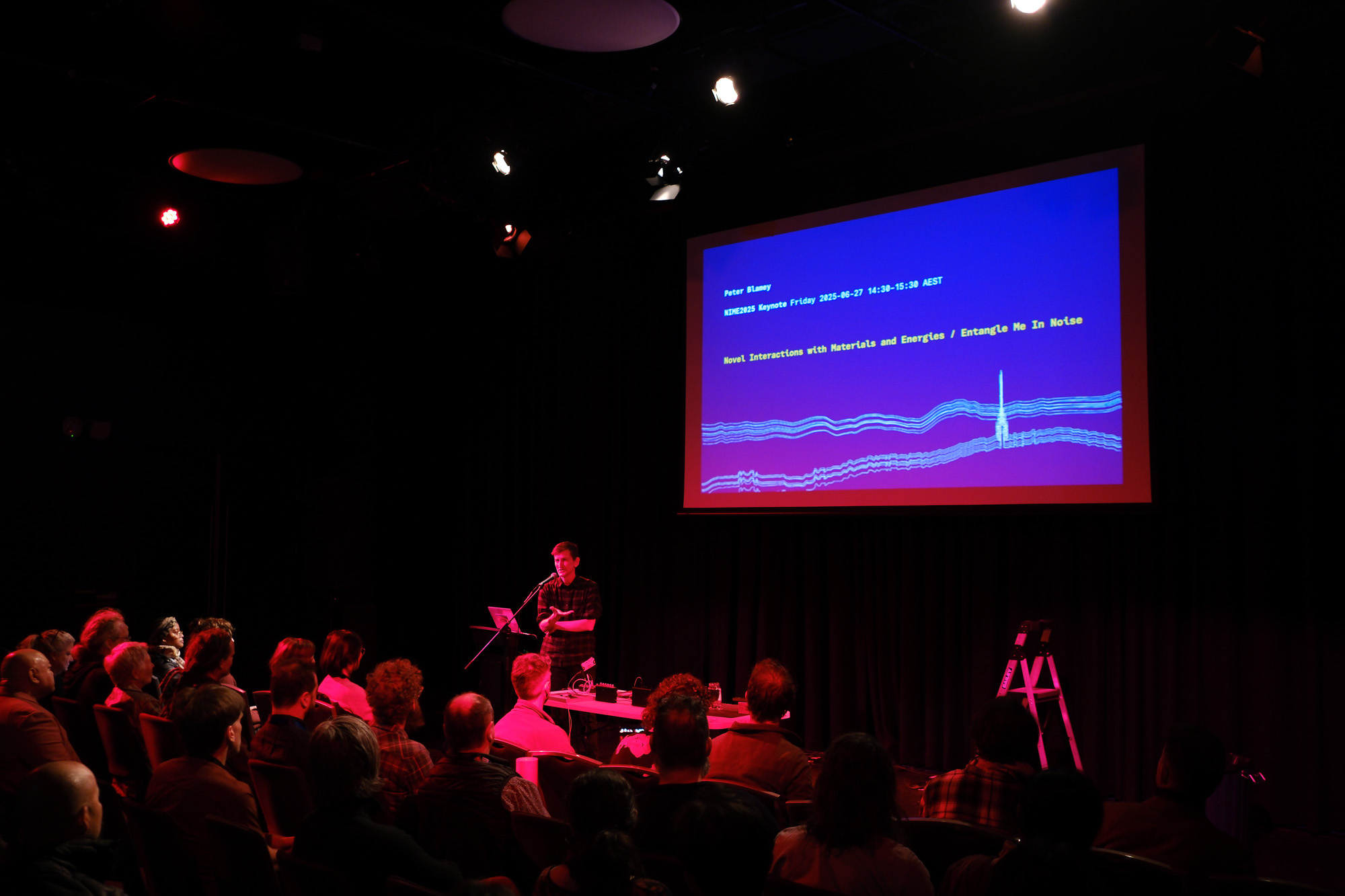
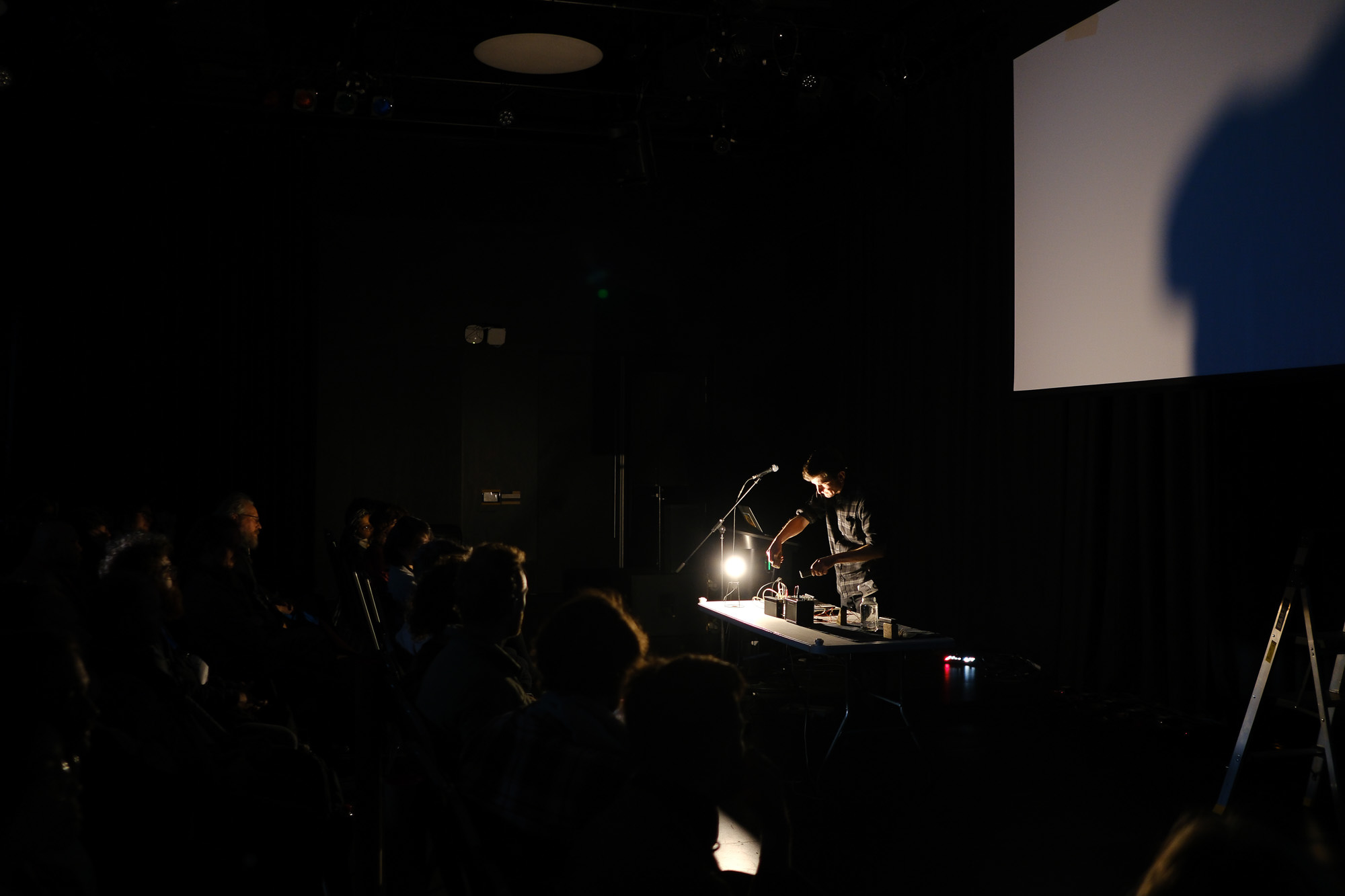
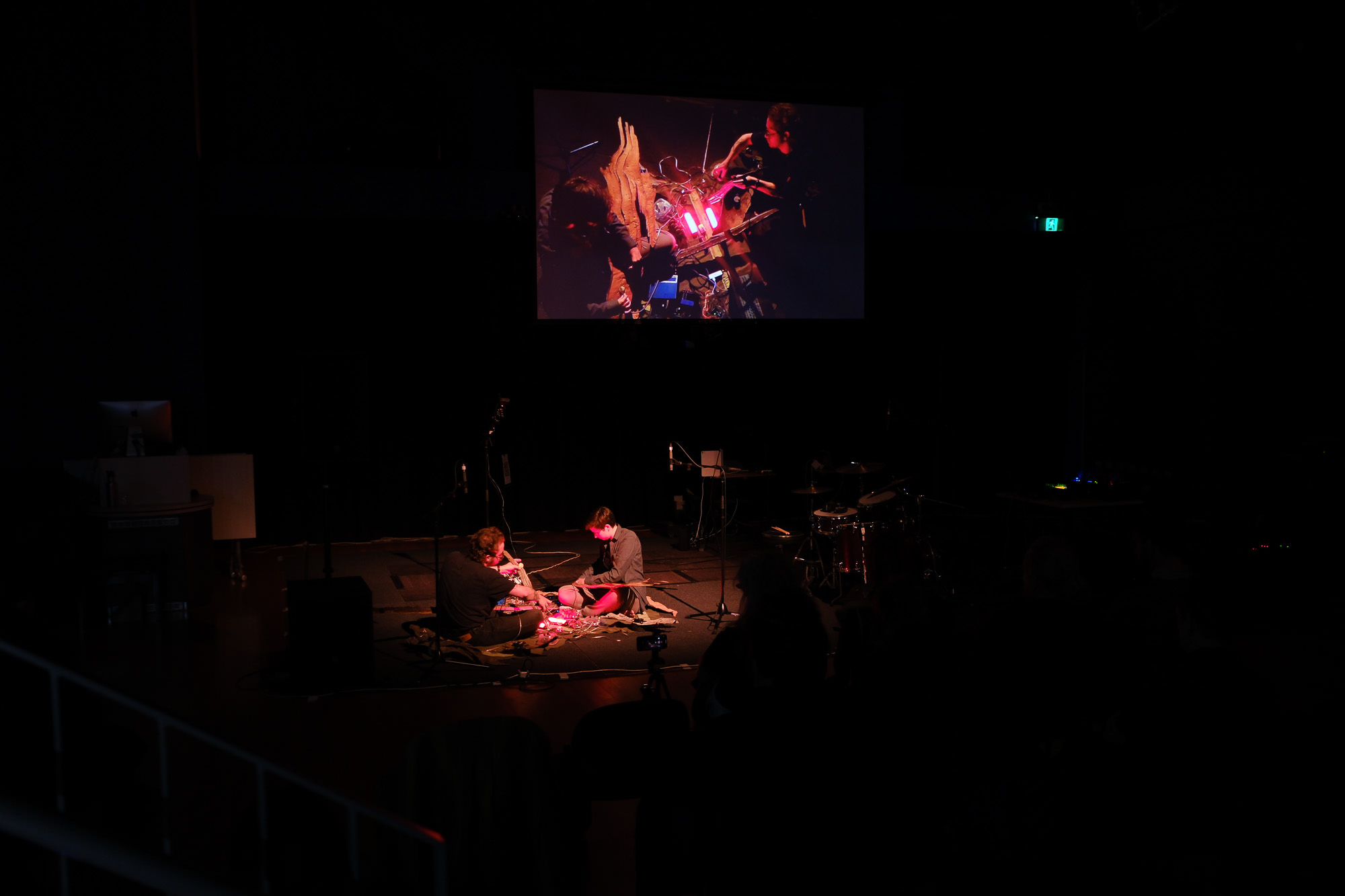
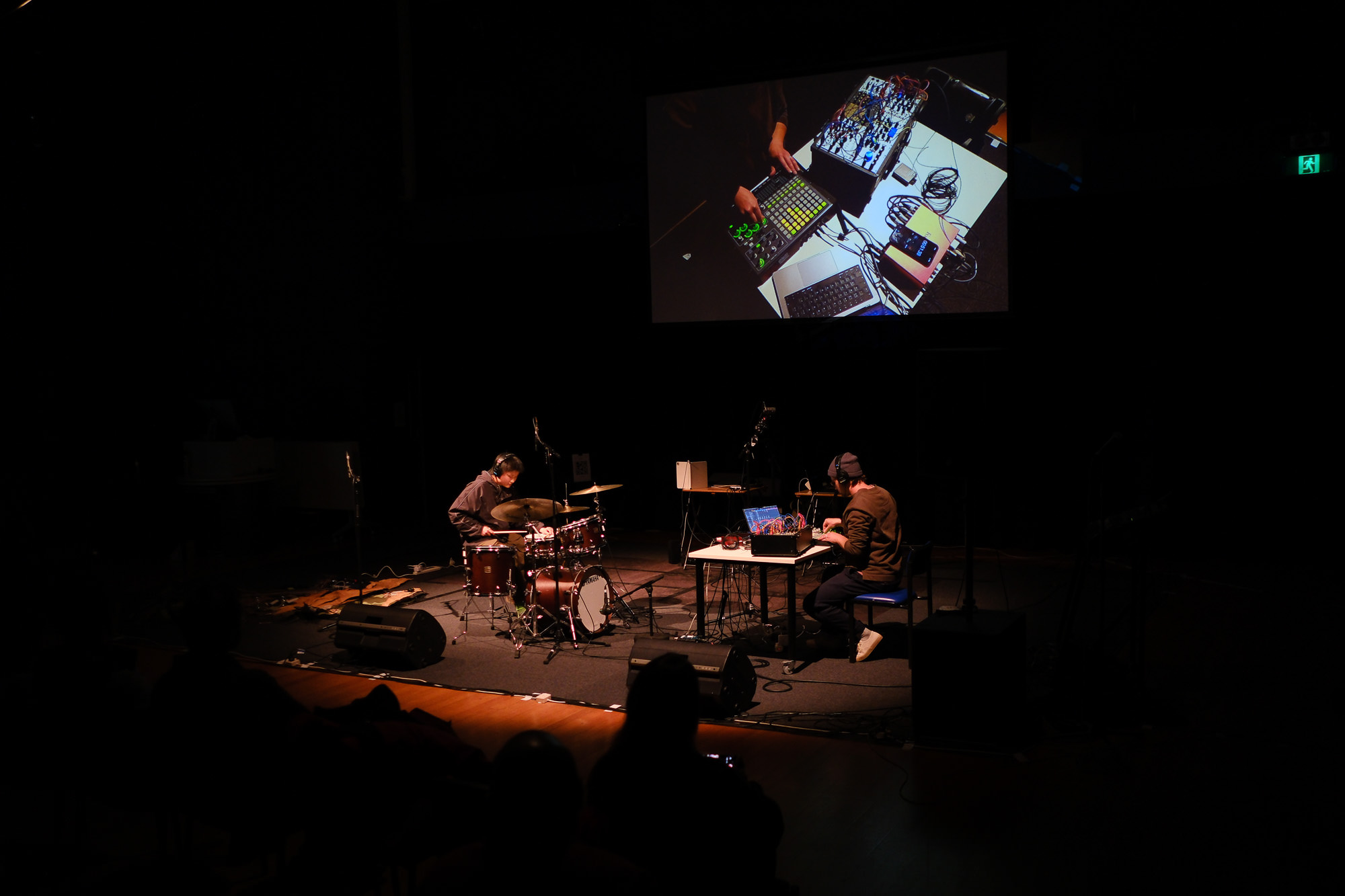
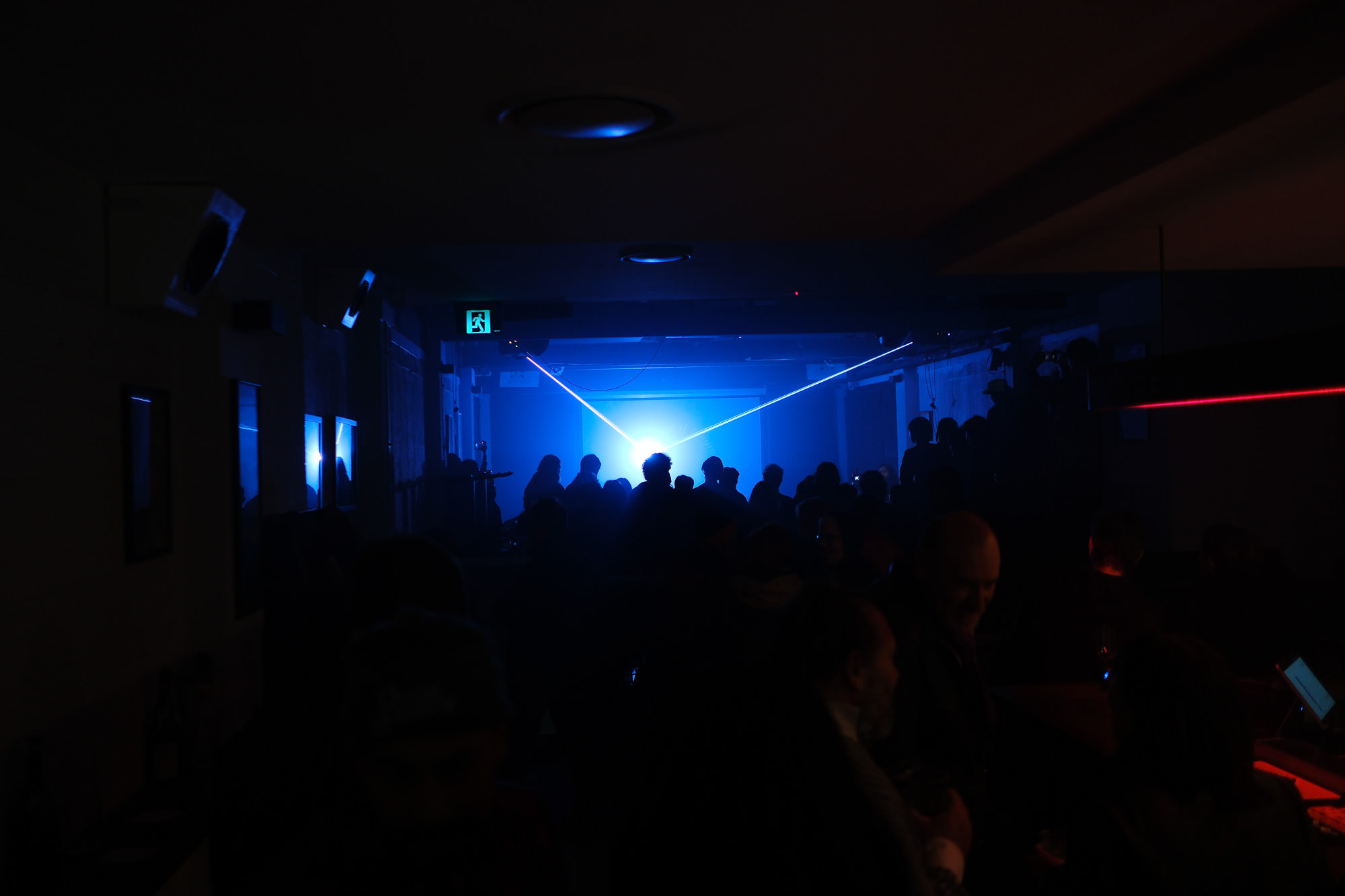
In June 2025, I hosted the New Interfaces for Musical Expression (NIME) conference at ANU in Canberra, and served as a general chair along with Pia van Gelder from the ANU School of Art and Design. In this post I want to talk a bit about the kind of conference we produced, discuss (brag about) what we achieved and thank everybody who contributed. Along the way, I have images from a few conference highlights.
I’ve been a NIMEr since 2010 when I presented my first academic paper and performance at UTS in Sydney. As NIME is my favourite academic community it’s been a career goal to host everybody at my home institution in Canberra.
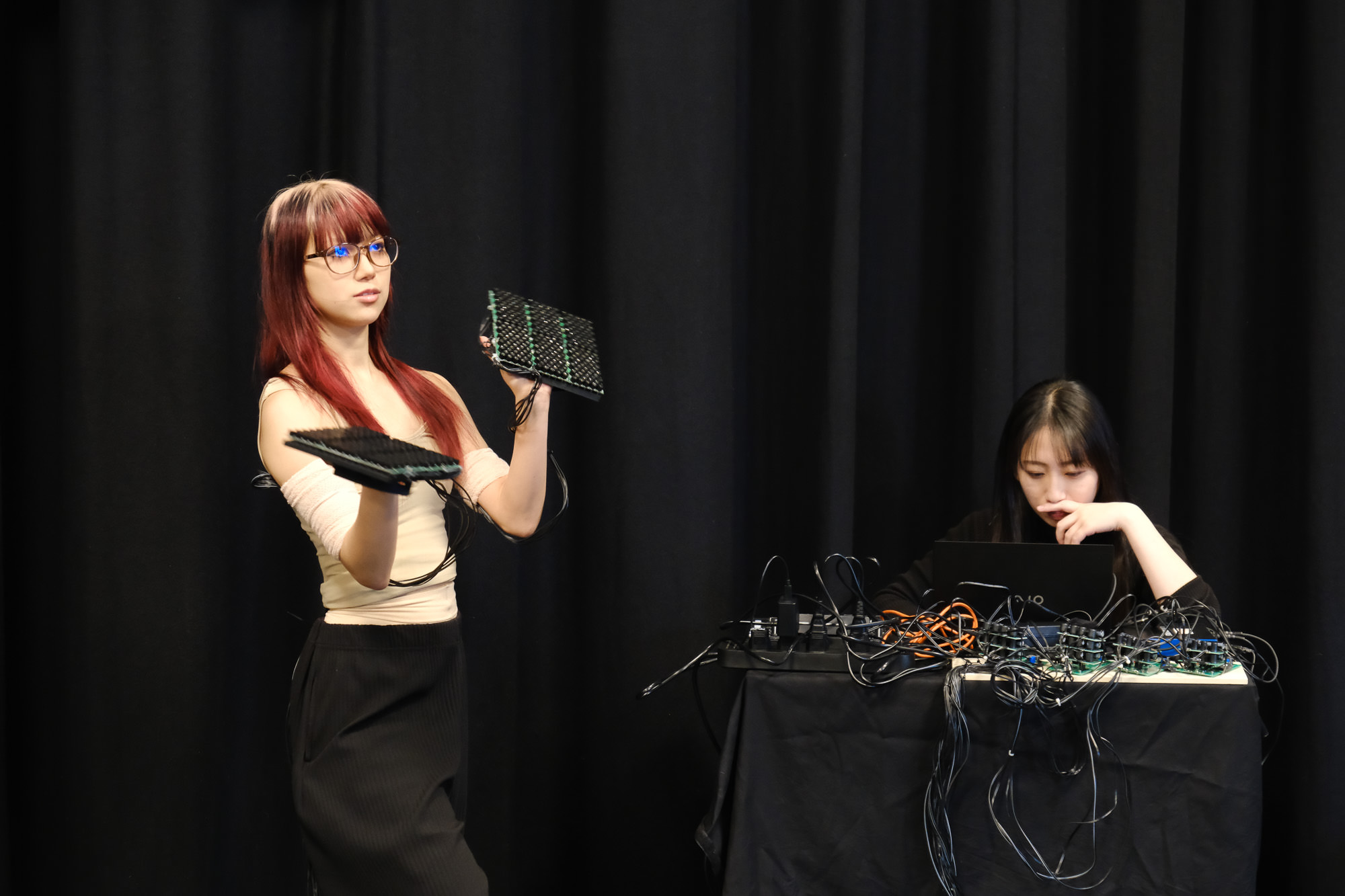
NIME is a truly interdisciplinary community of artist/scholars who present work as scientific papers, performances, installations and demonstrations. While I’m deeply invested in paper writing as an academic, I find something really special about NIME’s music program. The level of risk and commitment required to present research in performance form gives that knowledge a level of compelling authenticity. At a time when the validity of written research and peer review is threatened, the embodied communication of research through artistic tracks seems all the more relevant.
I’m so proud of what we have achieved in NIME2025. You can find the whole program archived in the conference website here and here. Video from every session and concert is available in this Youtube Playlist and to download here https://doi.org/10.5281/zenodo.17972009.
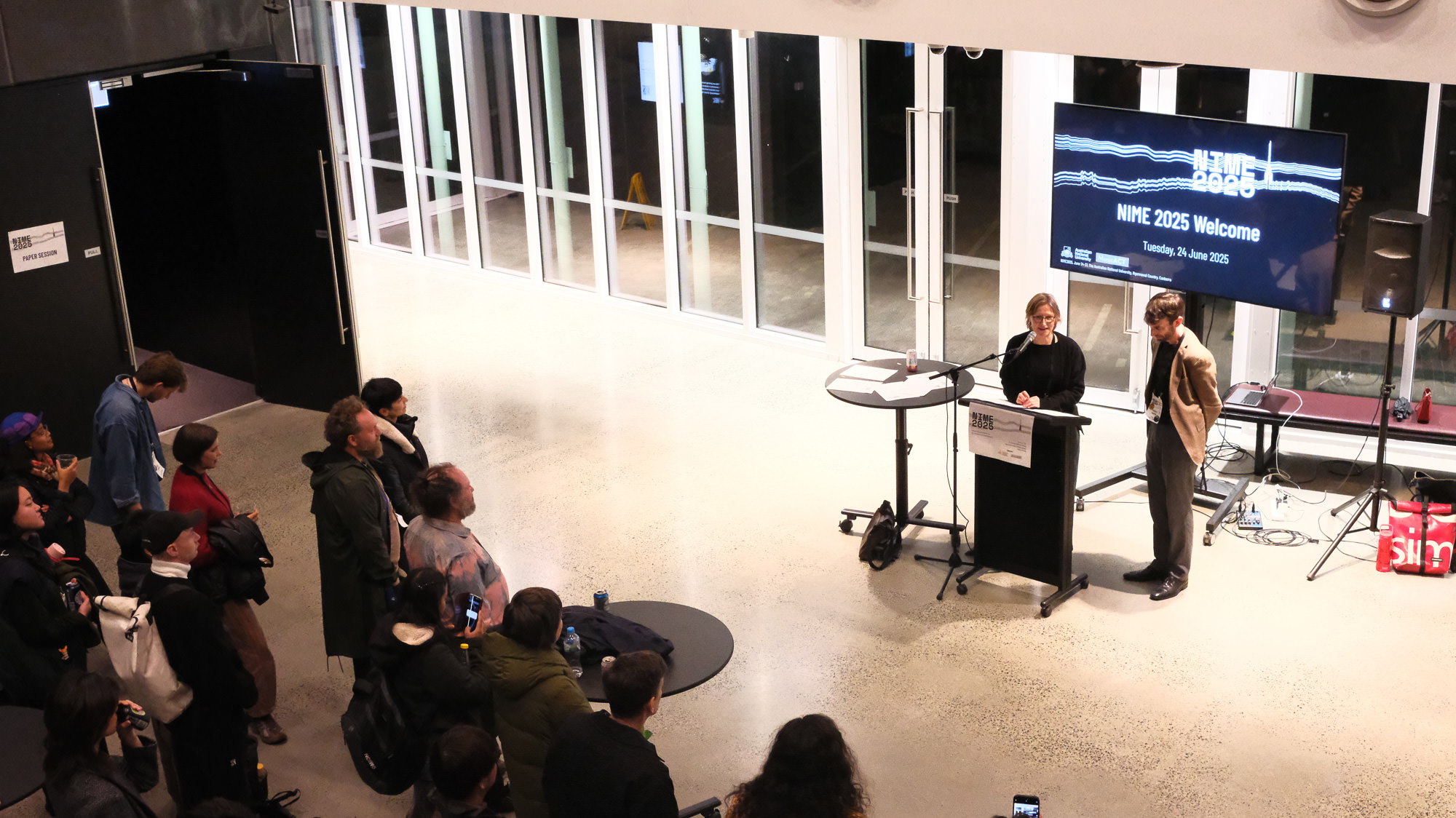
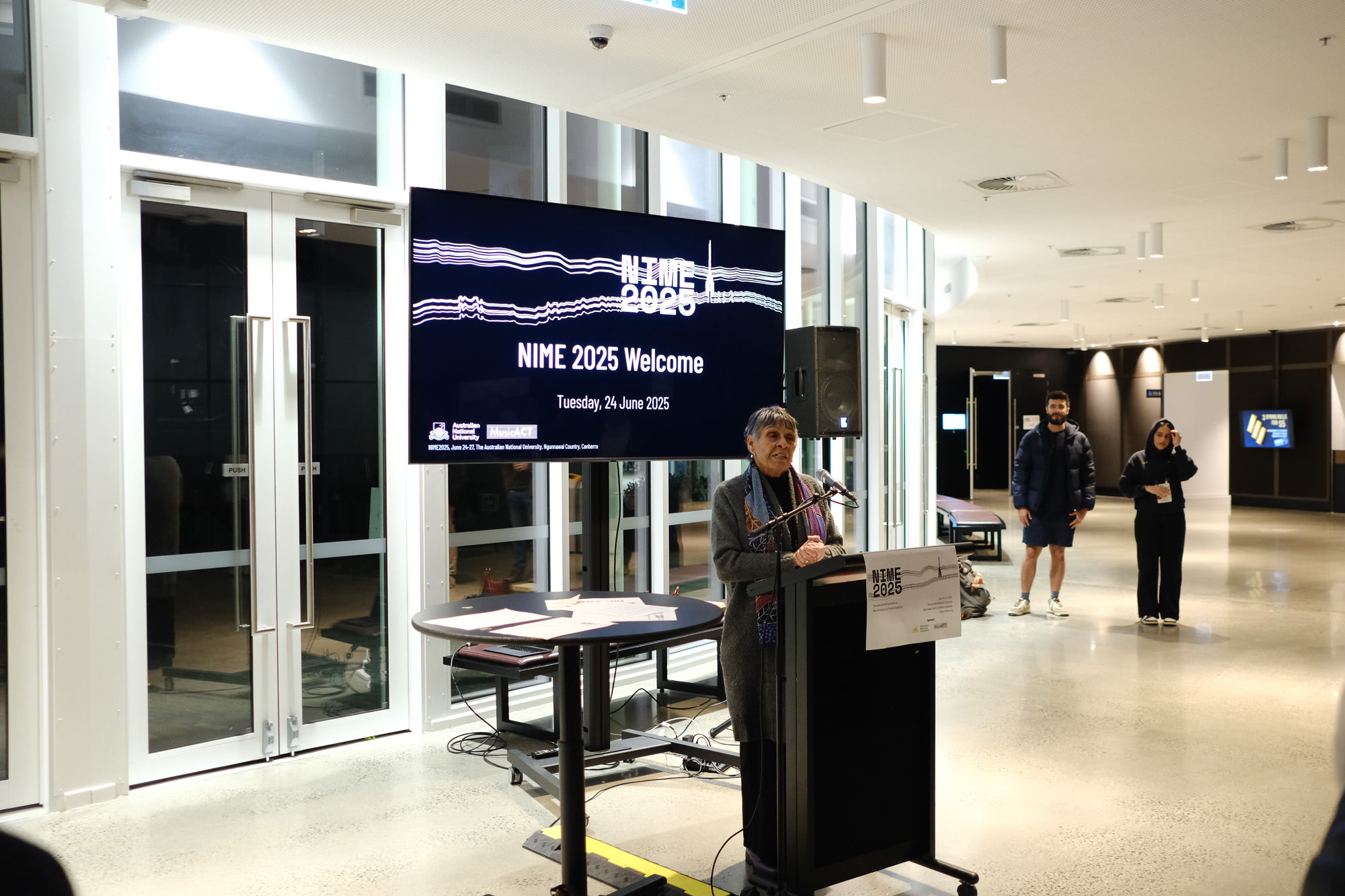
attendees
Our conference attendance and paper/music acceptances were reported in the town hall meeting (link), but here’s a short recap.
With the conference held in Australia, the cost of travel affected potential attendance. We worked really hard to provide a great hybrid setup with synchronous and asynchronous participation for those who wanted to attend without travelling.
In the end we had around 50 remote attendees and 149 in person. I wrote “around” because some folks switched attendance at the last minute due to personal travel arrangements or worries about border crossings.
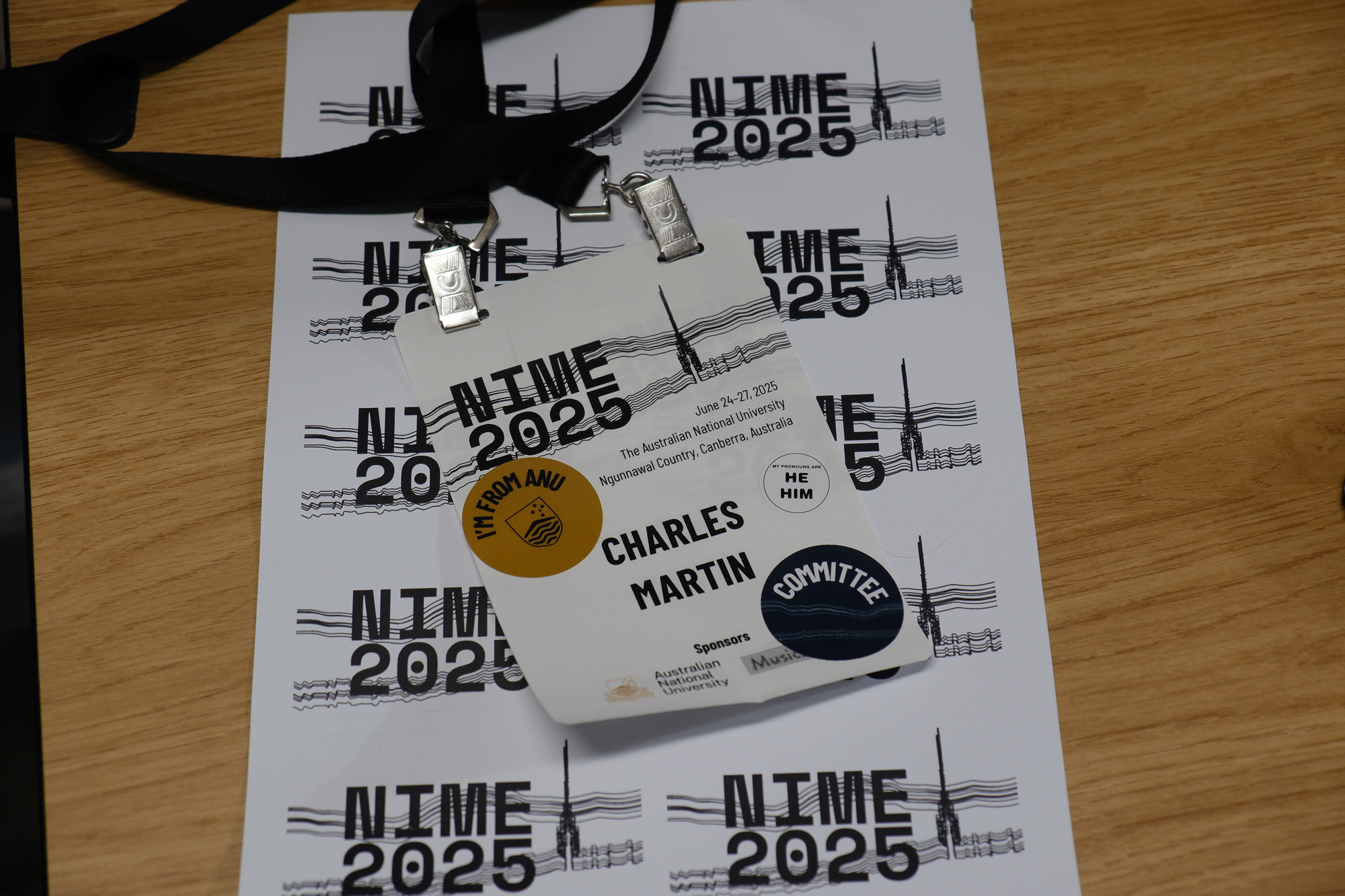
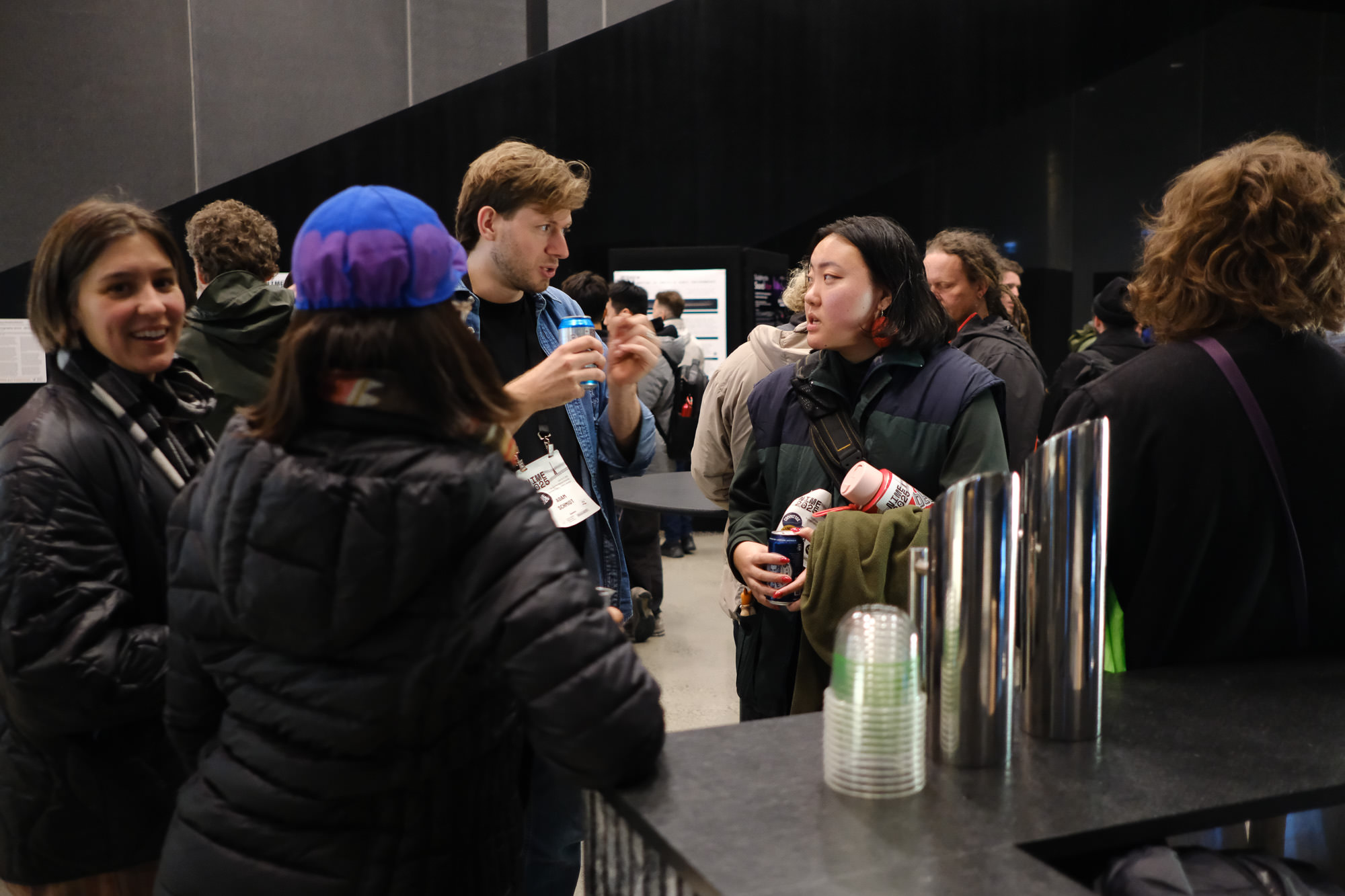
papers
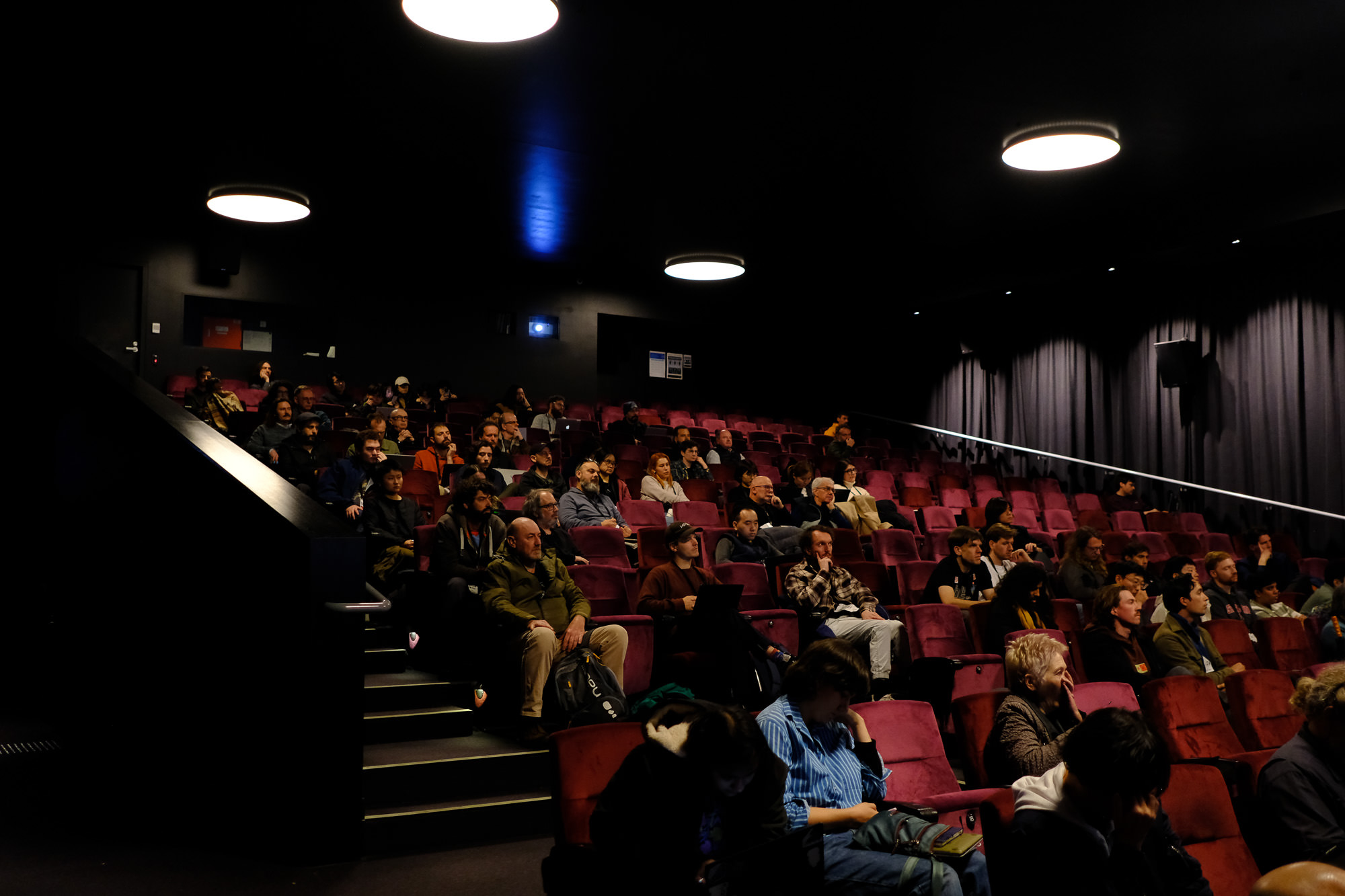
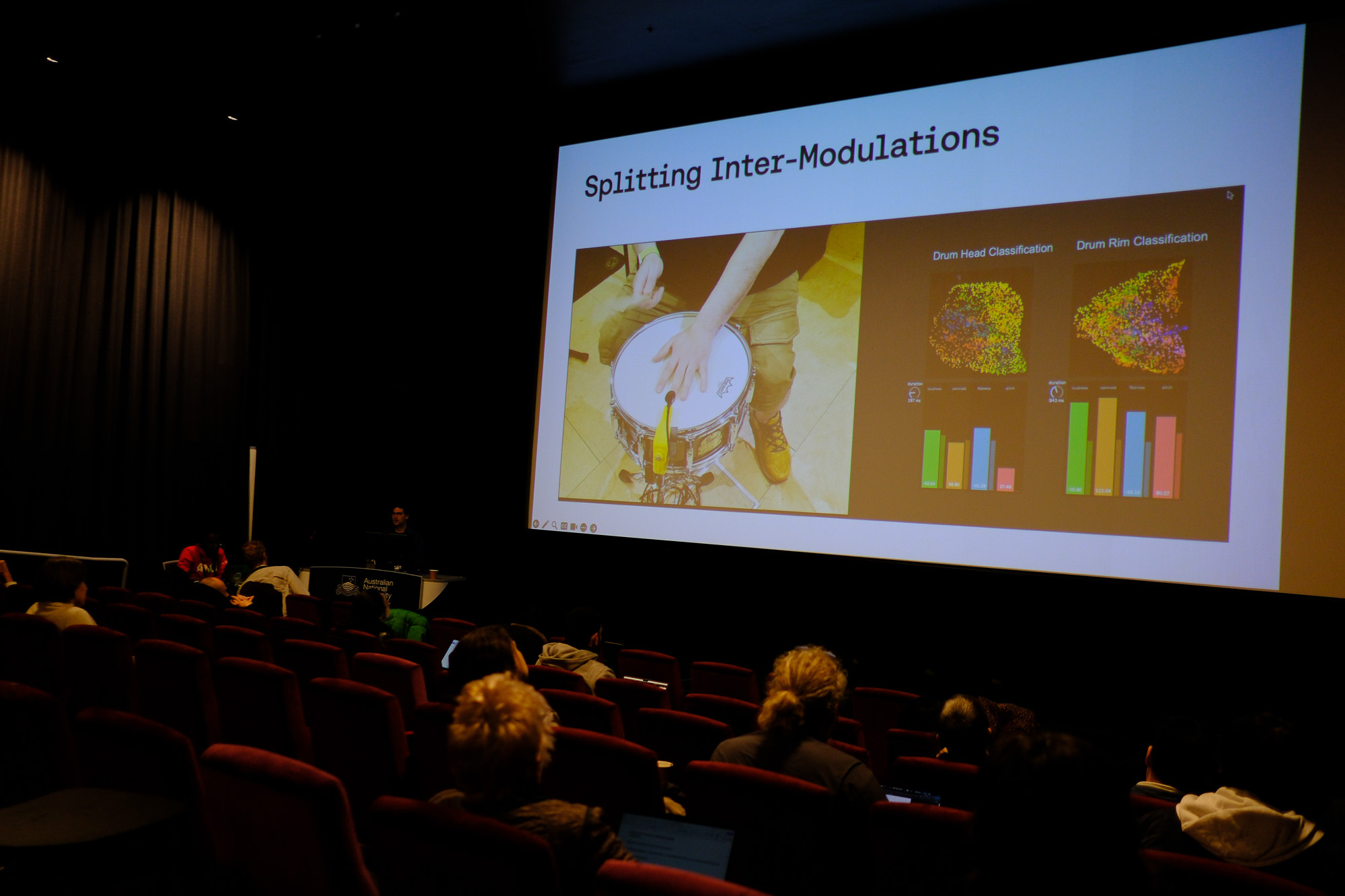
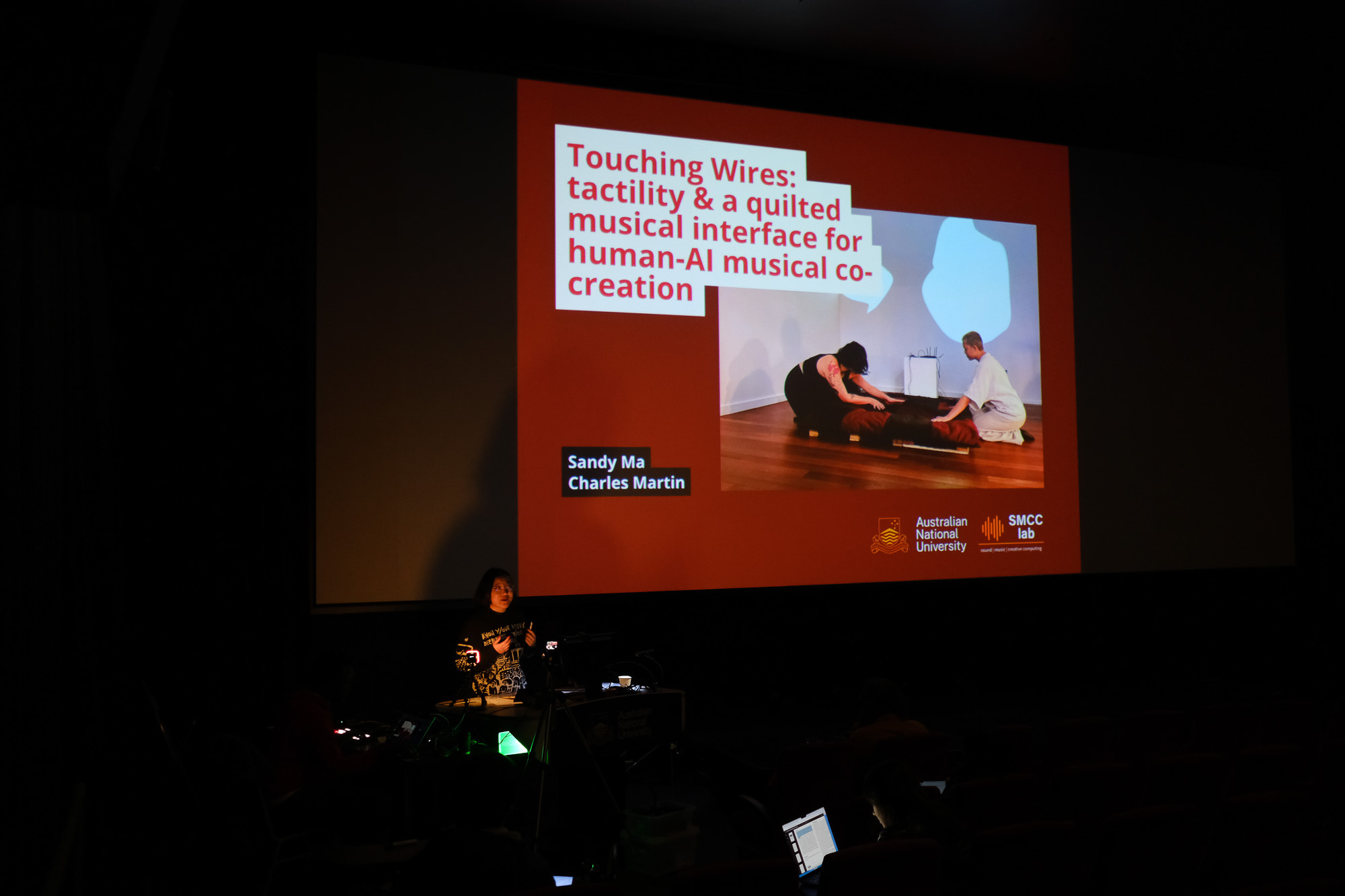
NIME typically has around 100 accepted papers (presented either as seminar or poster) and we had 96 this year. Running a paper program means running submission, peer review, camera ready submissions, and (finally) programming the conference sessions. Wrangling reviewers, meta-reviewers, and authors to all participate in this process is a huge job and lasts from the paper submission deadline up until the start of the conference. Florent Berthaut and Doga Cavdir (paper chairs) and Yichen Wang (poster chair) did an incredible job throughout.
I worked closely with these three committee members to make sure we had the best and clearest guidance for submission and review yet. Clear instructions are an often overlooked measure for inclusion as some potential great contributors (for whatever reason) may not be confident in the secret knowledge of how to write and review conference papers. I think our efforts paid off in terms of the quality of reviews that our community wrote and received.
music
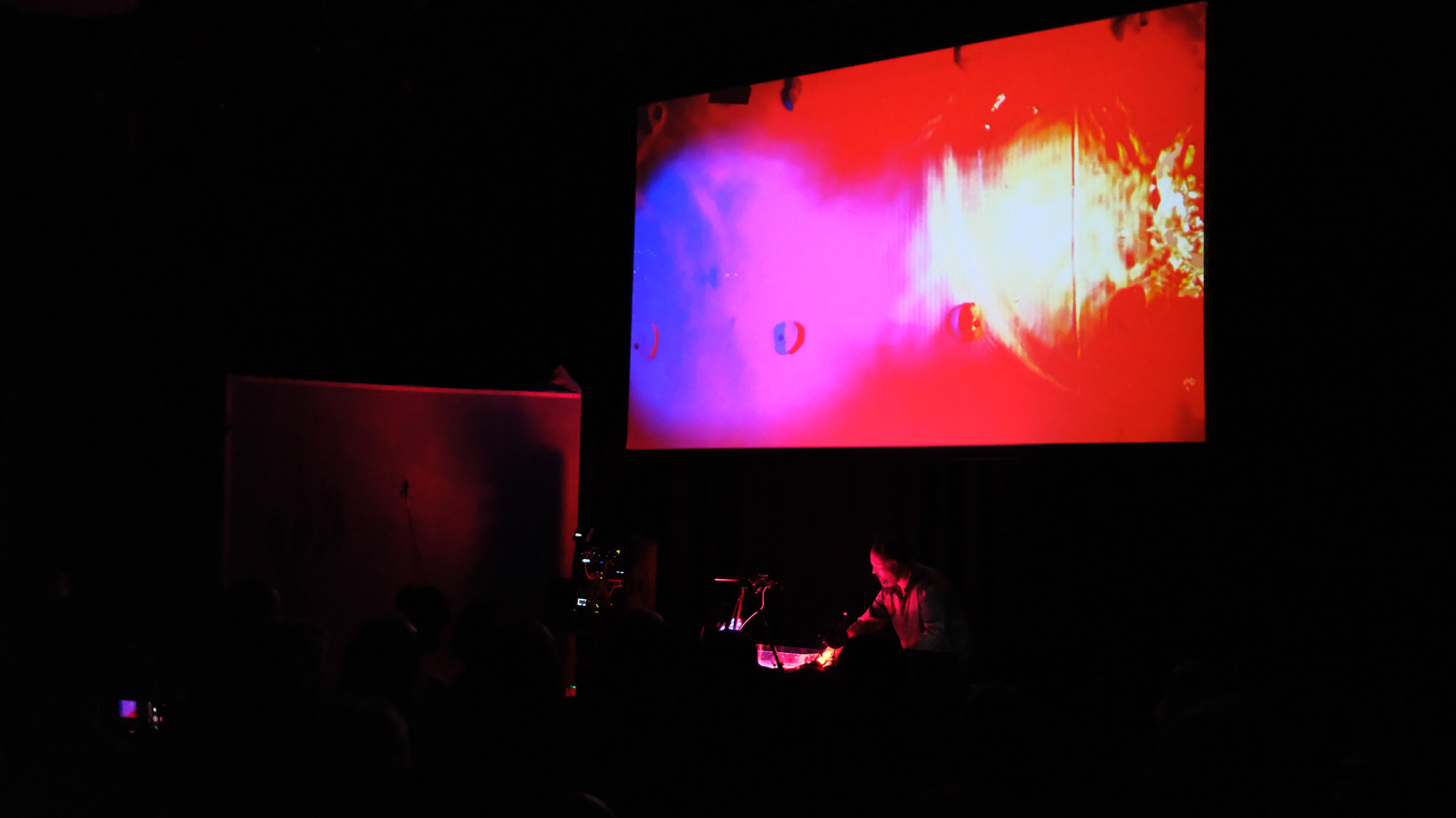
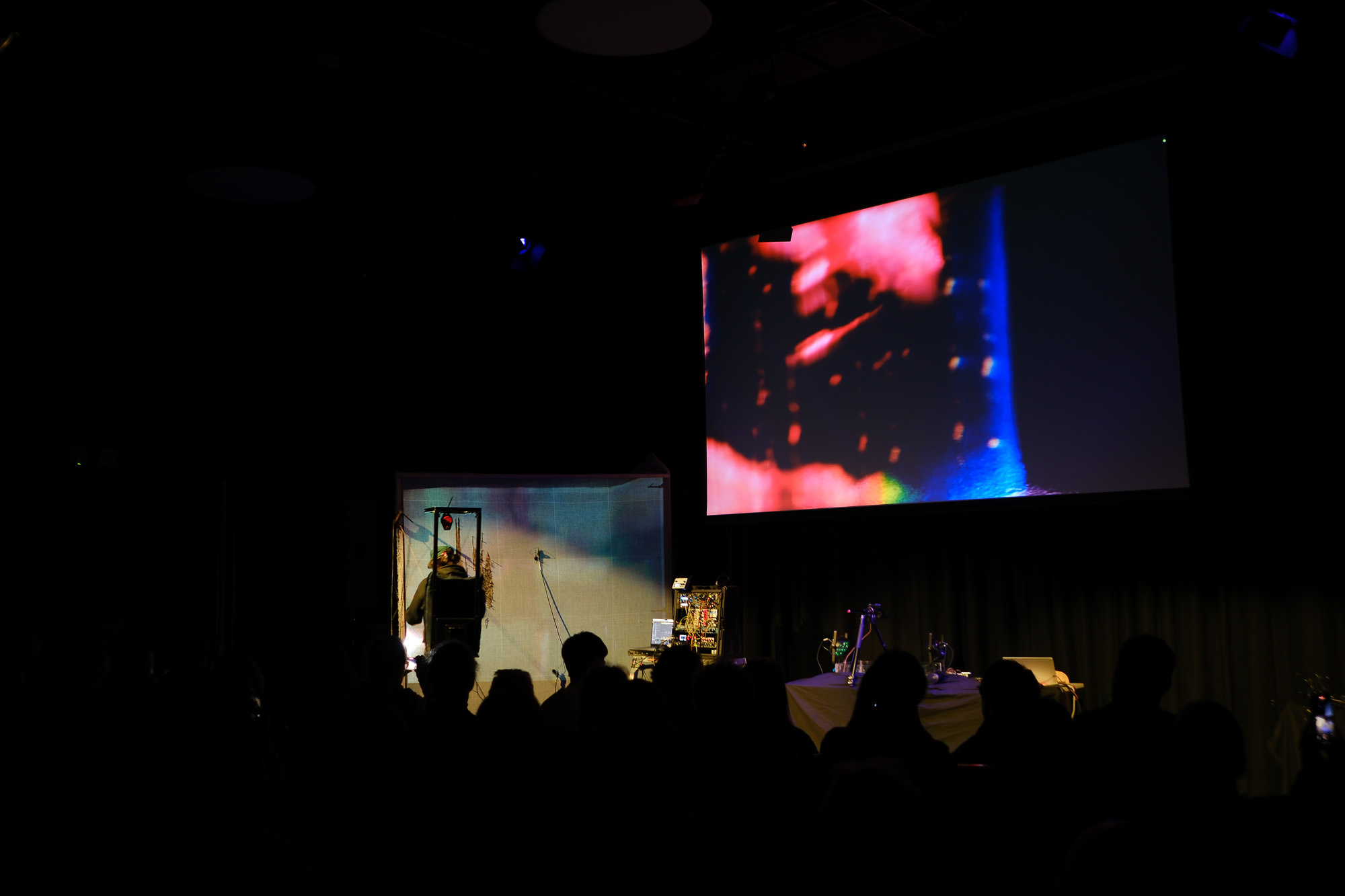
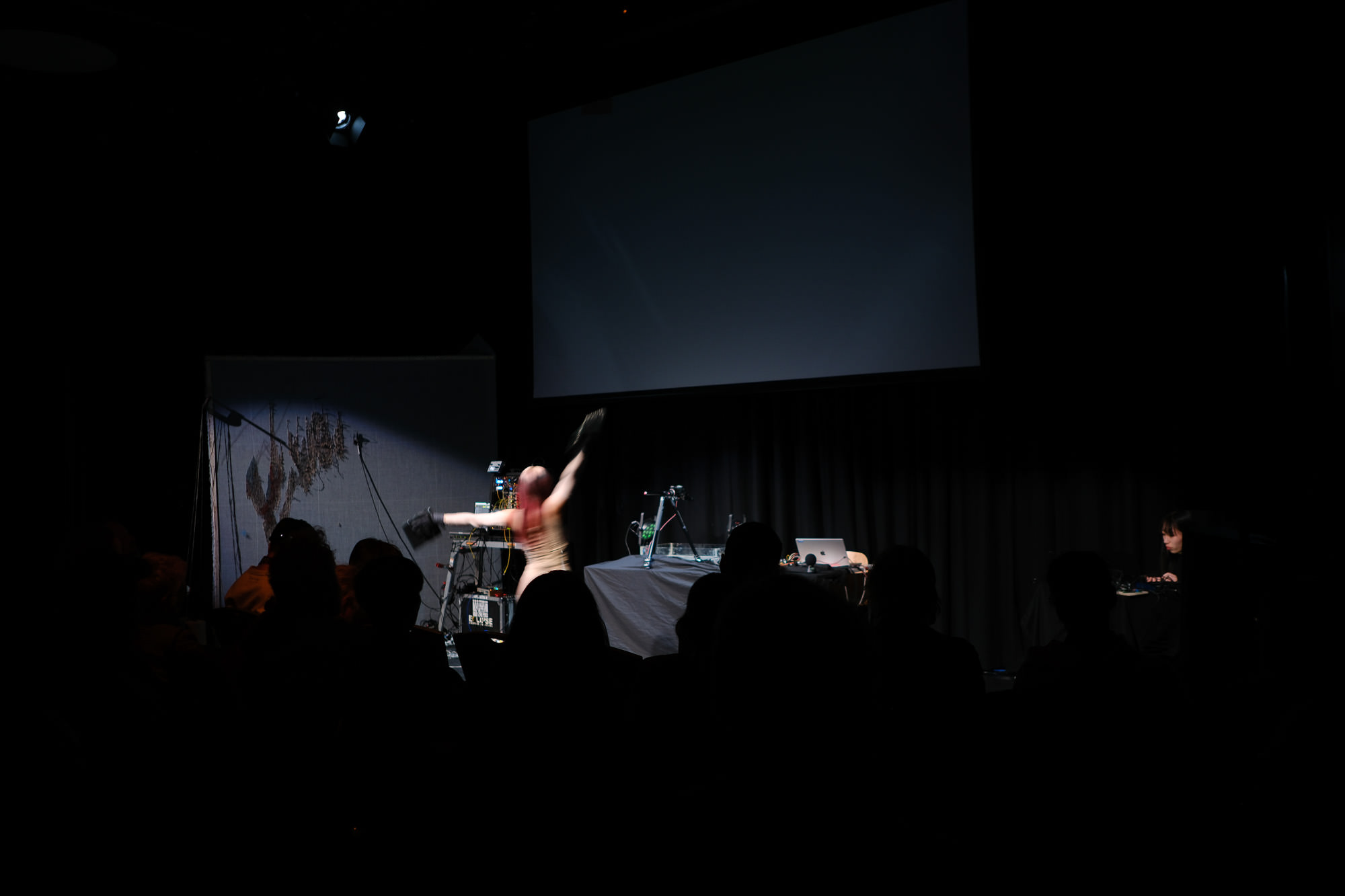
This year, we had 44 accepted musical works (performances, installations and remote presentations). The music program is an area where local production knowledge is super important given that feasibility and technical support are crucial for how the music submissions re presented. I felt very lucky to have Sophie Rose, Nicole Carroll and Jos Mulder as music chairs, all exemplary musicians and experienced concert producers. As it turns out, even more help was needed, so Pia van Gelder, Alec Hunter and I jumped in towards the end of the peer review process to help with feasibility and programming of accepted works with Pia and Alec looking particularly at installations and me on concerts. During the conference we had additional help from Chloë Hobbs, Richard Johnson, Sophie Edwards, Sam James, and Adrian Rytir.
I want to single out Sophie and Nicole here for MCing and producing so many of the concerts while also continuing the fine tradition of NIME-themed standup comedy to cover last minute technical issues!
Where paper chairing goes up until the start of the conference, music chairing continues at high intensity up to the actual concerts and installation showings as the artistic works require technical riders, input lists, stage plots, bumping in, rehearsal, installation, testing, (performance/showing) and bumping out.
While the demands here can be quite extreme, the personal rewards are high to see concerts come together. ANU is reasonably unique in having (multiple!) high quality, flexible artistic venues available in the middle of campus. This was a first time for me to use our Drama Theatre and Recording Studio for concerts, and (approximately) the one millionth time I put on works in our Big Band Room (where I had spent a lot of time as an undergrad 20 years ago). Seeing new and exciting NIME artistic research in these spaces was just the best.
workshops and extras
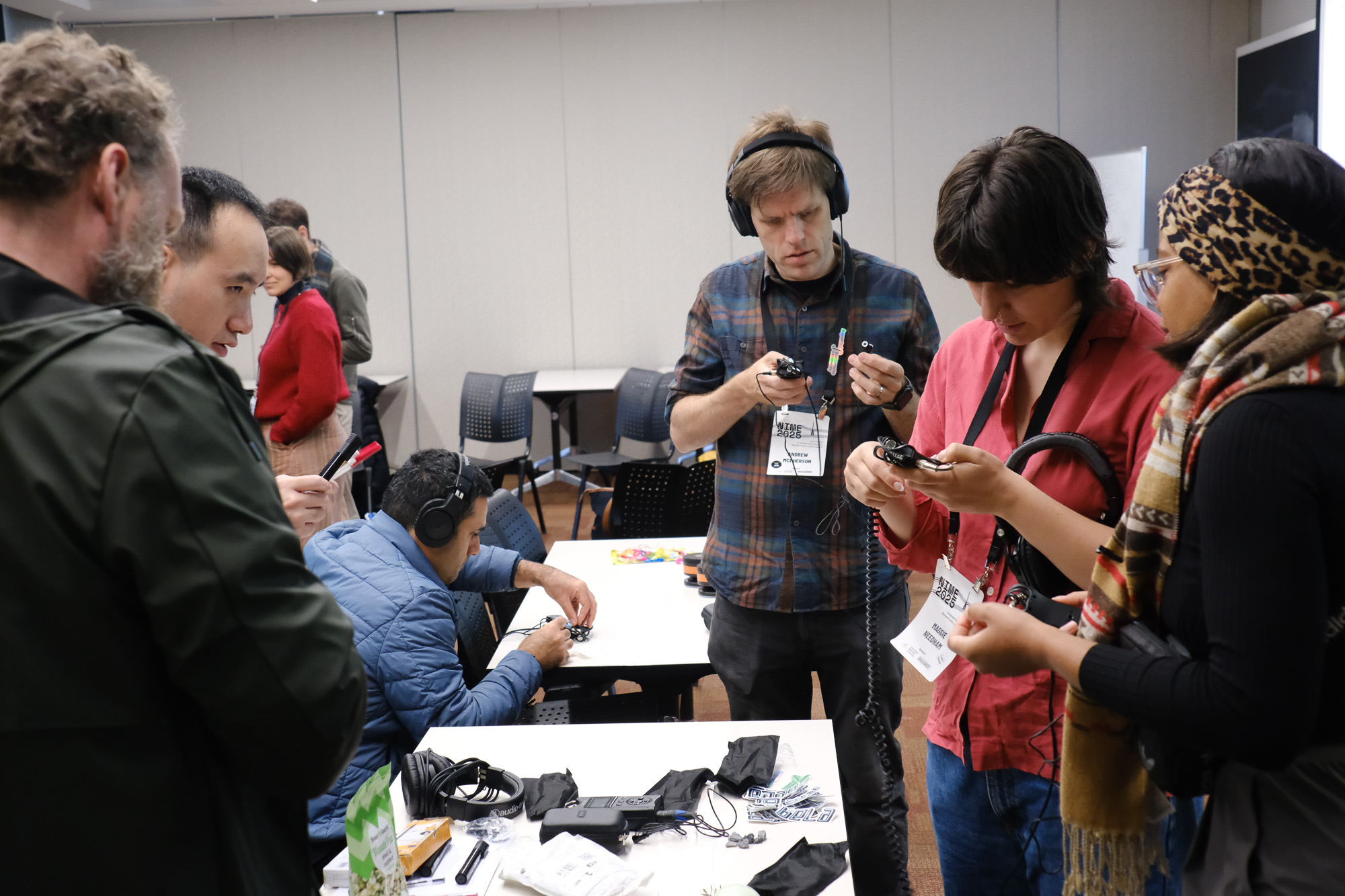
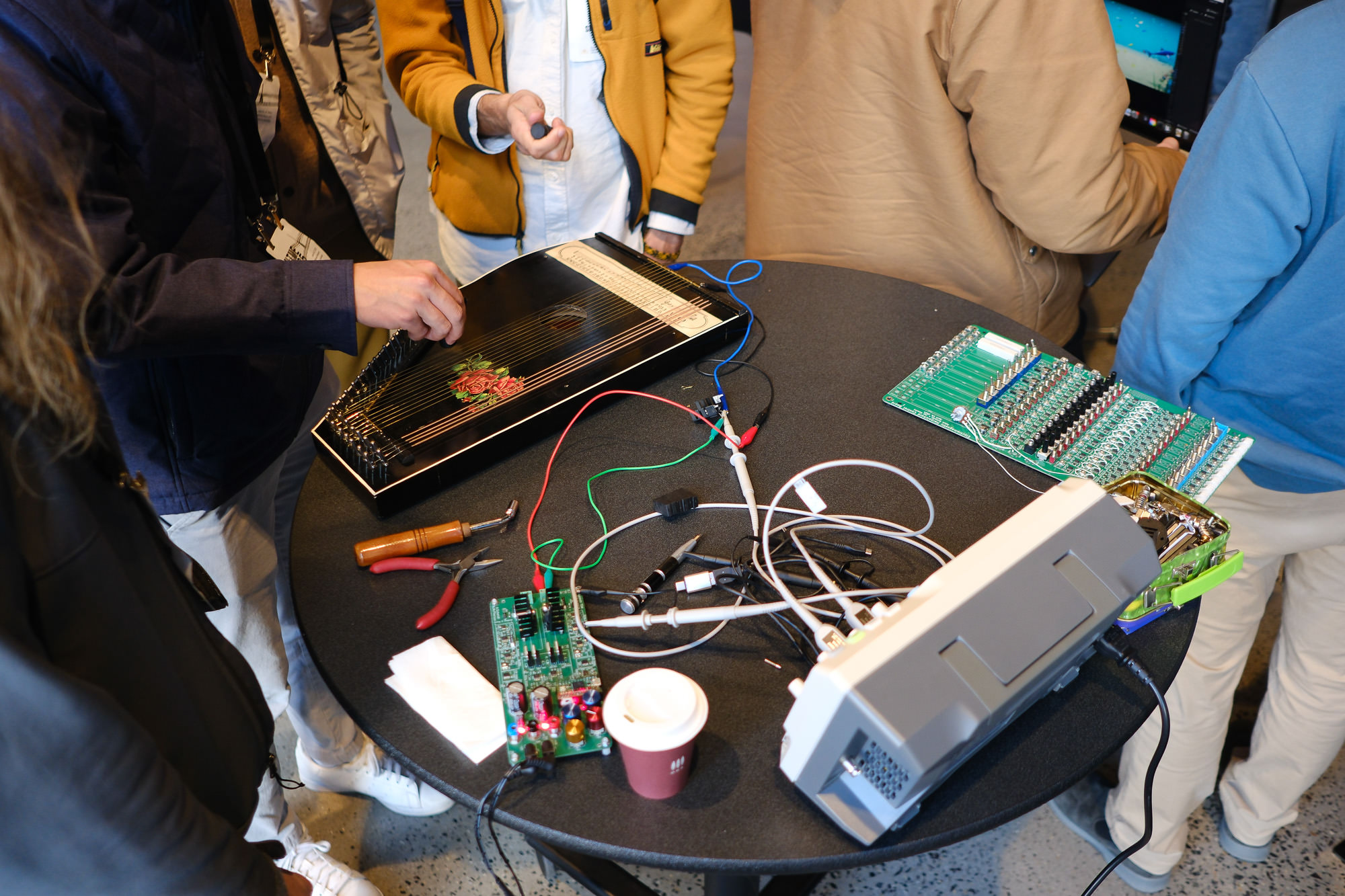
The workshops program was in the capable hands of Minsik Choi and Alon Ilsar who managed the review process and organisation of workshops expertly. Traditionally, workshops are on the first day of NIME so they set the tone for how our community interacts and set up NIME newbies with conference buddies for the rest of the event. We held our workshops around our computer science, maths, and engineering classrooms in the College of Systems and Society. This was a big moment for Sandy Ma and our team of volunteers who needed to meet all the conference attendees and help them get where they needed to go. It was so great to see new ideas and sub-communities forming at these events, as well as NIMErs trying out new systems and learning new approaches.
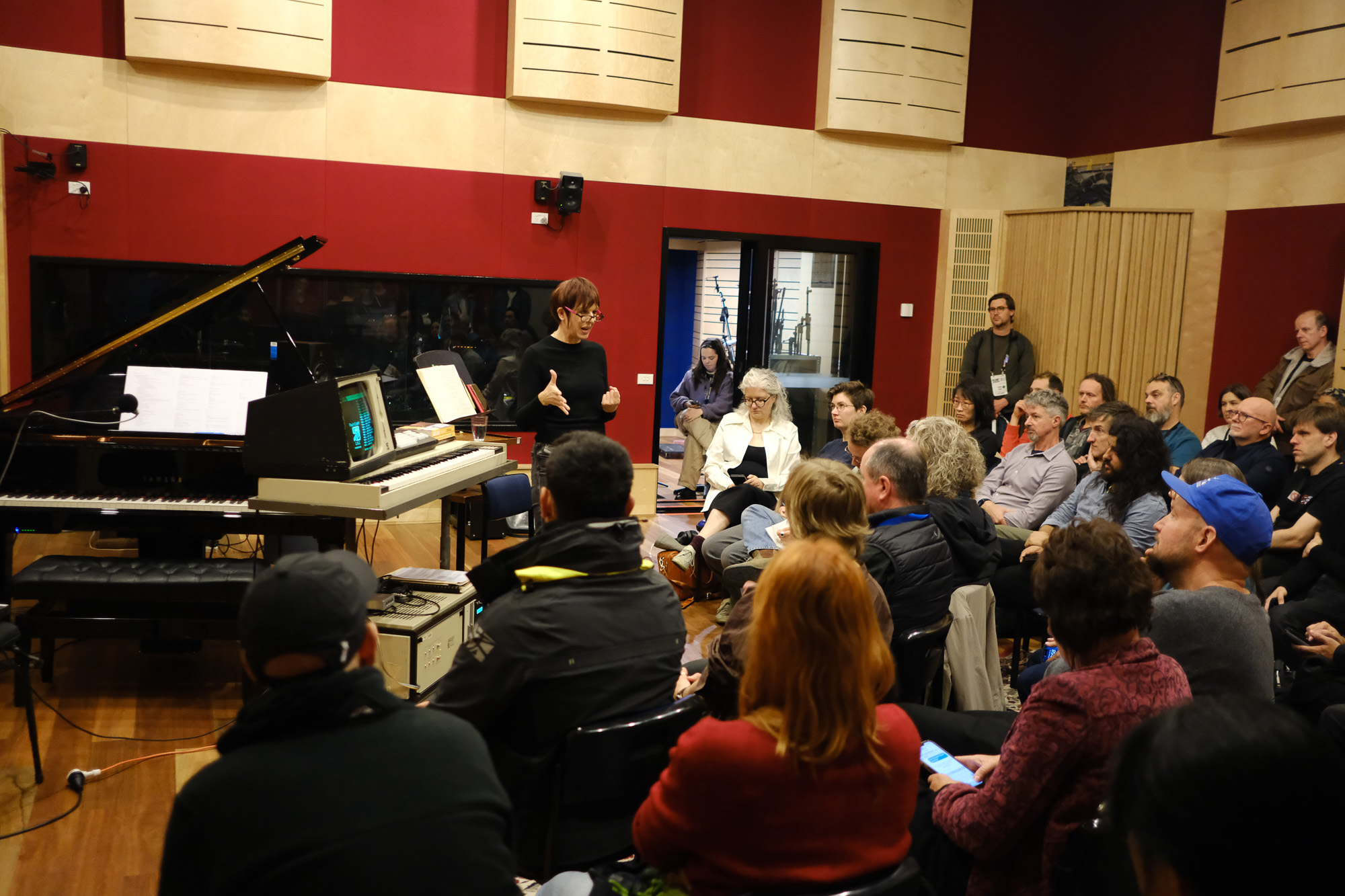
I want to shout out to Samantha Bennet of the ANU School of Music who provided an extra event: a live demonstration of the Fairlight CMI. We held this event in the (packed) recording studio (as it turns out NIME has more than a few vintage synth fans). Working with antique hardware is a huge challenge and Sam interspersed a live demo with discussion on the Firelight’s history (connections to ANU!), technology, ideology. Again, this kind of presentation just felt so authentic to our work as music technology researchers. There was a tense moment during the talk when it seemed like loading some samples wasn’t going to happen (with the Fairlight emitting loud and troubling BEEPs) and a cheer went out when at the last moment it worked and came through the speakers.
As NIMErs, a lot of our work revolves around not just what is possible but what is reliably going to work on stage. The workshops and our Fairlight demo foreground the frustrating but rewarding process of making things work together that is part of so much of our research.
hybrid
Running a hybrid conference is certainly tough. I’ve done it twice now (OzCHI 2022, and now NIME 2025) and although the effort is high I felt the impact was worthwhile.
Our hybrid approach prioritised a great experience for folks in the lecture hall and a smooth stream output for viewers. All of our seminar paper presentations were required to be live with Q&A. Our remote poster presenters submitted pre-recorded videos which were played on a loop during the poster sessions.
In practice, the live paper sessions were effective in the room and online with genuine engagement between speakers and viewers. The poster sessions were well produced with great videos but perhaps missed the excitement of in-person demonstration.
Much credit should go to the paper chairs (Florent Berthaut and Doga Cavdir) who wrangled the timetable to make sure every remote author had an appropriate time to present. Poster chair Yichen Wang managed the stressful process of bringing together all the pre-recorded poster videos.
During any hybrid session, an expert is needed to make sure that the presenters are cued up, cameras pointing the right way, microphones switched on and streams streaming. Our expert was Albert-Ngabo Niyonsenga who has my eternal gratitude for taking on this hard task not just during the paper sessions but at each of the 7 concerts!
All of this was a lot of effort, but was it worth it? I think so. Many of the remote presenters were graduate students who were counting on conference publications as part of their studies but couldn’t afford the travel. A remote participant saves themselves the high cost of international travel and they save the planet the carbon cost of intercontinental air travel, this means that effective hybrid arrangements are a measure to address inclusion and sustainability.
proceedings
We were the first NIME in a while to publish paper proceedings in advance of the conference1. After the accepted paper deadline, there is an enormous amount metadata, formatting, and file checking needed to create accurate proceedings entries. Sam Trolland excelled in this role, taking over the publication process from the paper, music, and general chairs and communicating with the NIME Proceedings Officer Stefano Fasciani.
Music proceedings took a little longer, but again, Sam managed the metadata and we had formatting help from Albert-Ngabo Niyonsenga, Yichen Wang, and a bit of last minute effort from me to get things to the finish line. While the music proceedings took some time, the formatting quality has improved and we have sent our process and template improvements forward to the 2026 team.
Proceedings are so important for establishing the credibility of NIME and I think it’s crucial that we commit to timely publication. As an independent scholarly organisation we have the advantage of not having to wait for anybody else’s permission to publish the PDFs but the responsibilities of metadata checking and communicating with the very last uncommunicative author can be overwhelming.
budget
It’s tough to make ends meet in a conference these days at all scales. Any event outside a very small conference is likely to have costs that need to be met. For NIME, the main fixed costs come from securing a big enough hall for the single track paper events and venues (and technical staff) for the two concerts that need to take place each day. This year, we managed to make a profit, largely on the basis of tremendous amounts of volunteer work from the committee and the good engagement from remote participants.
I hope that our example can encourage some of my colleagues that, yes, it is still possible to not lose money on a NIME-shaped conference and to have a (reasonably) good time doing so. The community needs established scholars to volunteer their time and welcome folks to their institutions—but we shouldn’t be also asking them to take a financial loss.
thanks
I’ve mentioned them all above, but I want to thank all the committee members for NIME 2025 again:
- General Chairs: Charles Martin, Pia van Gelder
- Paper/Poster Chairs: Florent Berthaut, Doga Cavdir, Yichen Wang
- Music Chairs: Sophie Rose, Nicole Carroll, Jos Mulder
- Workshop Chairs: Minsik Choi, Alon Ilsar
- Accessibility: Alexander Hunter
- Hybrid: Albert-Ngabo Niyonsenga
- Proceedings: Sam Trolland
- Student Volunteers: Sandy Ma
- Social Media: Patrick Hartono
I especially want to shout out to the PhD students on the committee and members of my ANU SMCClab who were balancing their volunteer work with studies:
ANU SMCClab (sound, music and creative computing lab):
- Yichen Wang (posters!)
- Sandy Ma (ambassadors/volunteers!)
- Minsik Choi (workshops!)
- Albert Niyonsenga (hybrid STREAMING!)
Monash Sensilab:
- Sam Trolland (proceedings!)
And thank you to all the attendees for showing up and bringing your wonderful research and artistic creativity!
special moments
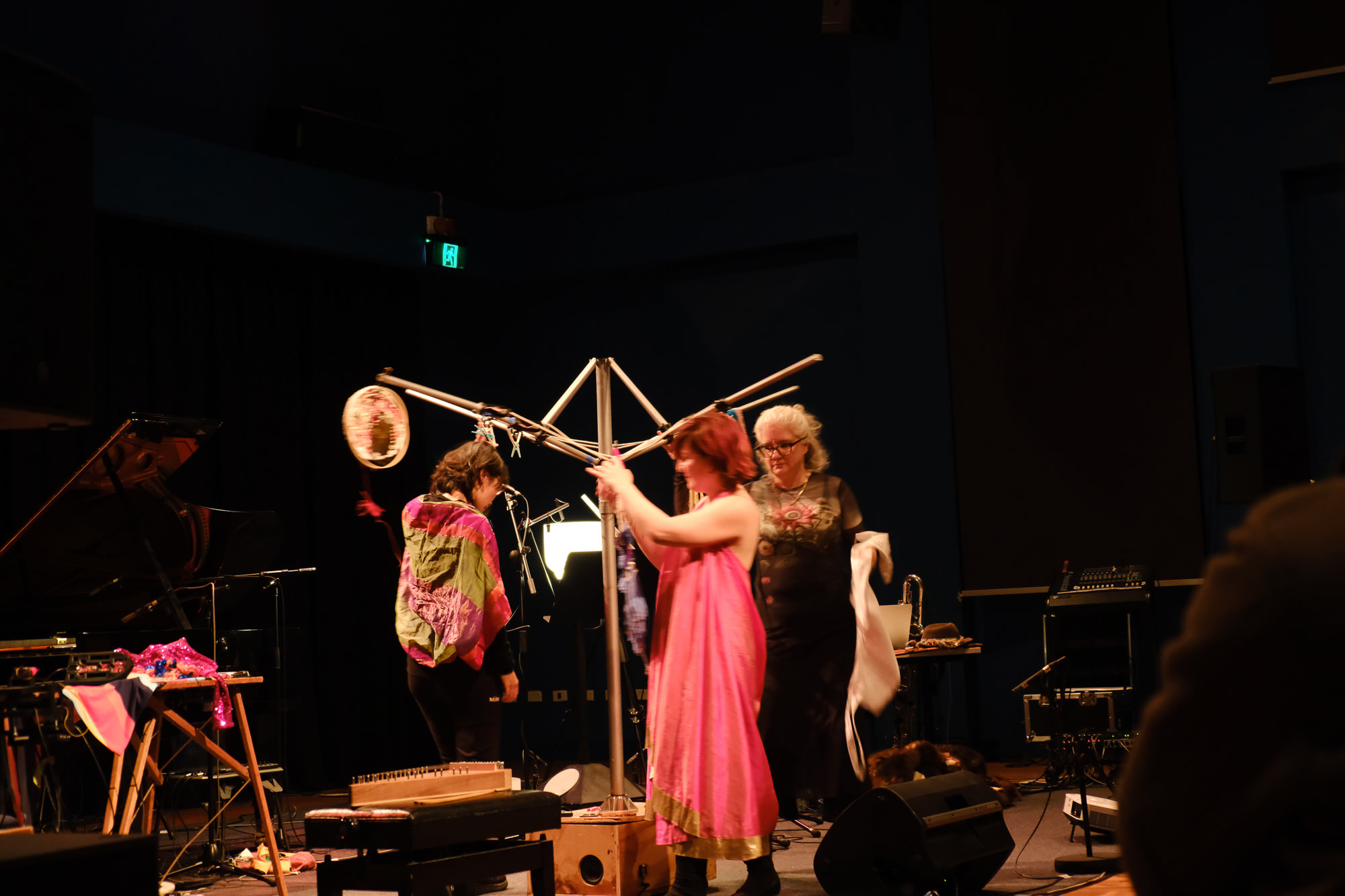
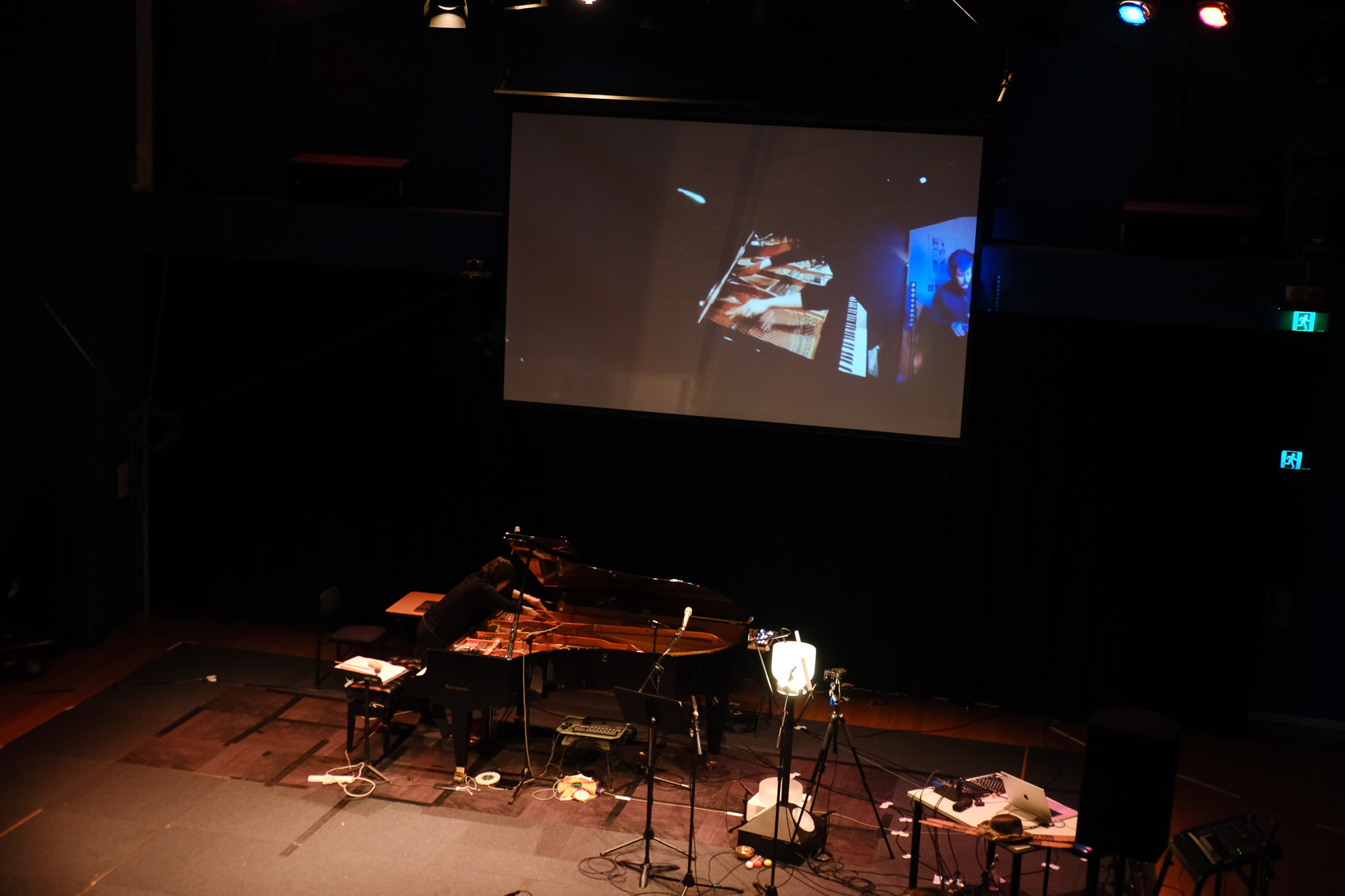
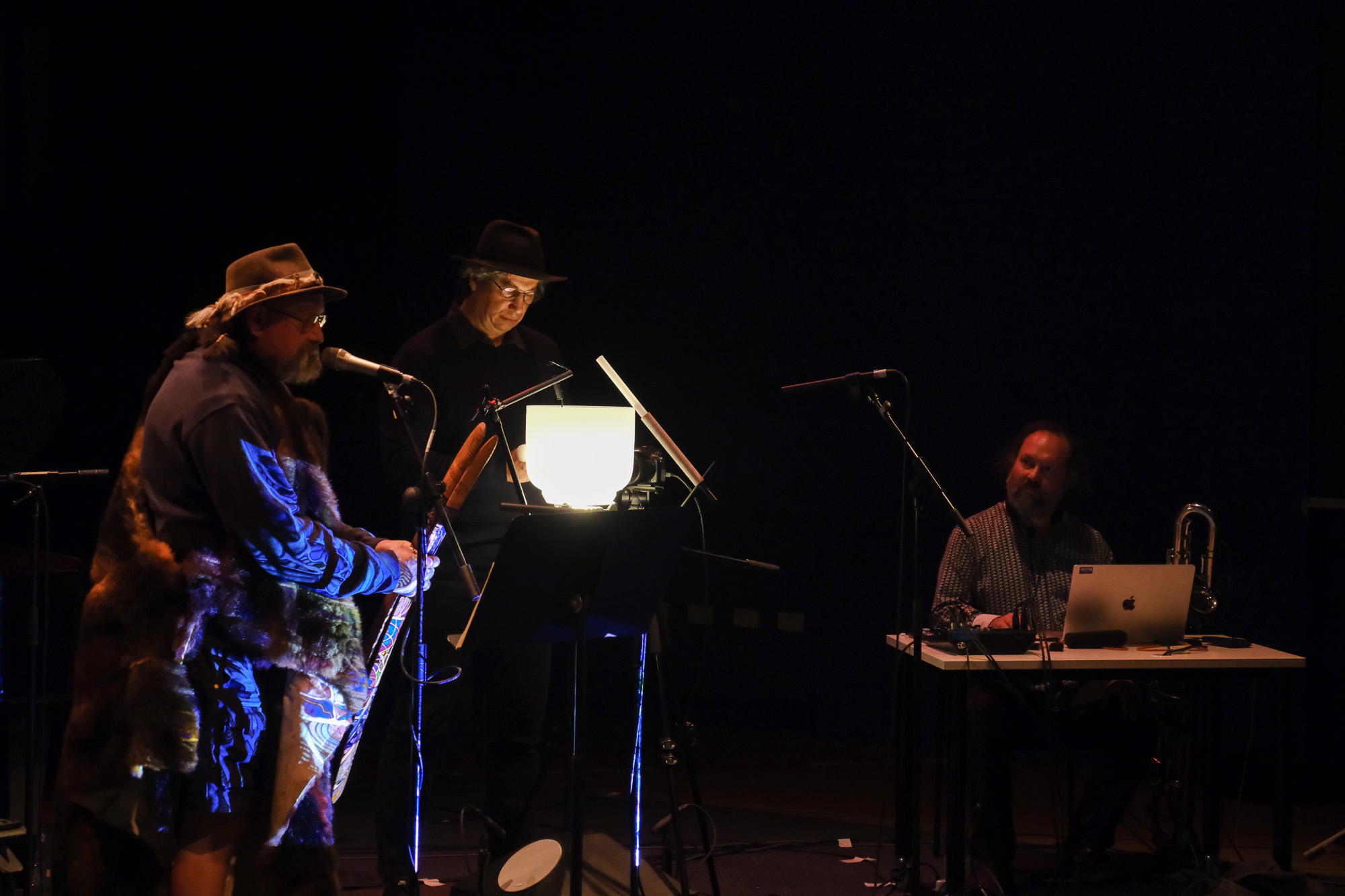
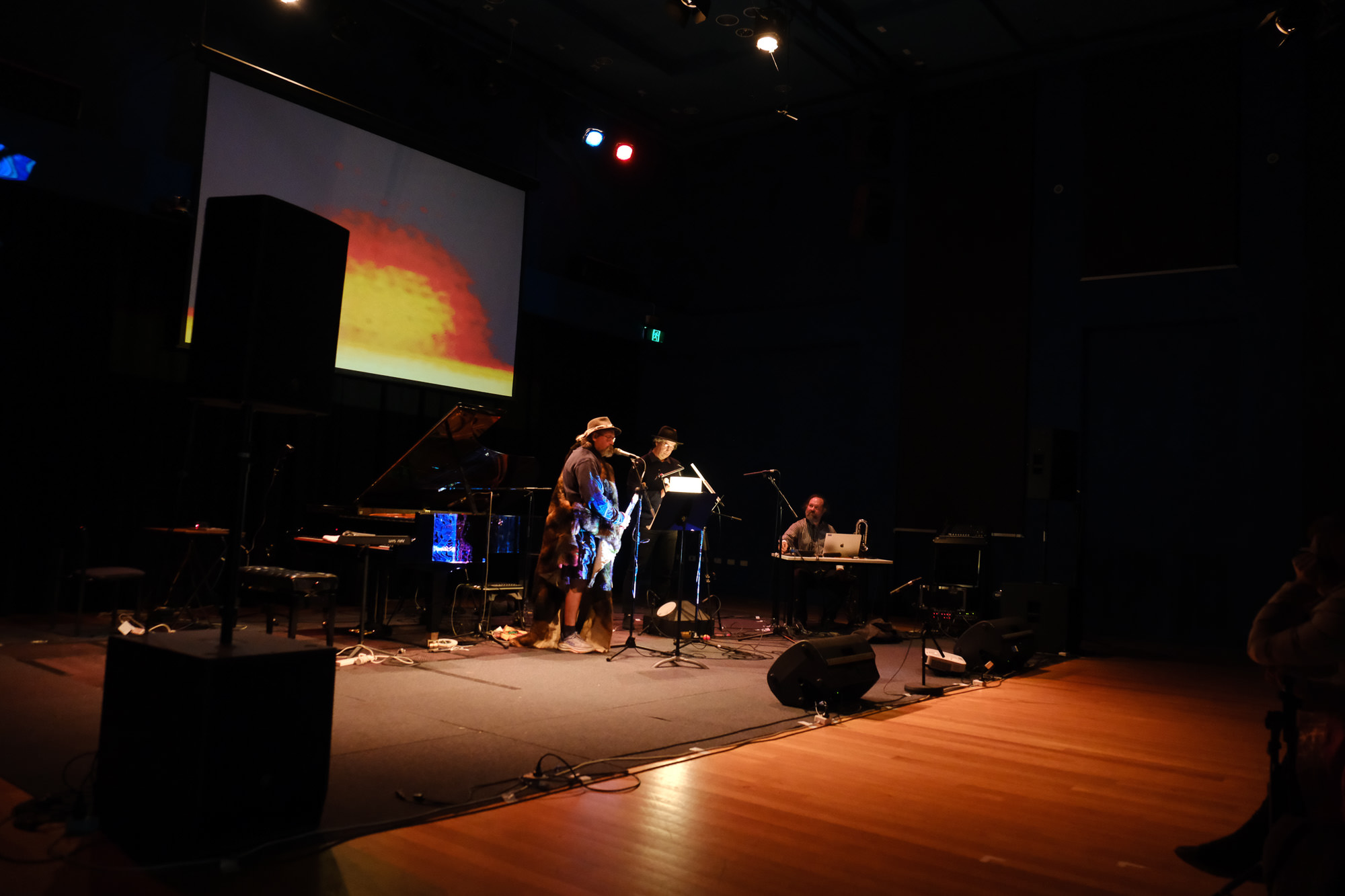
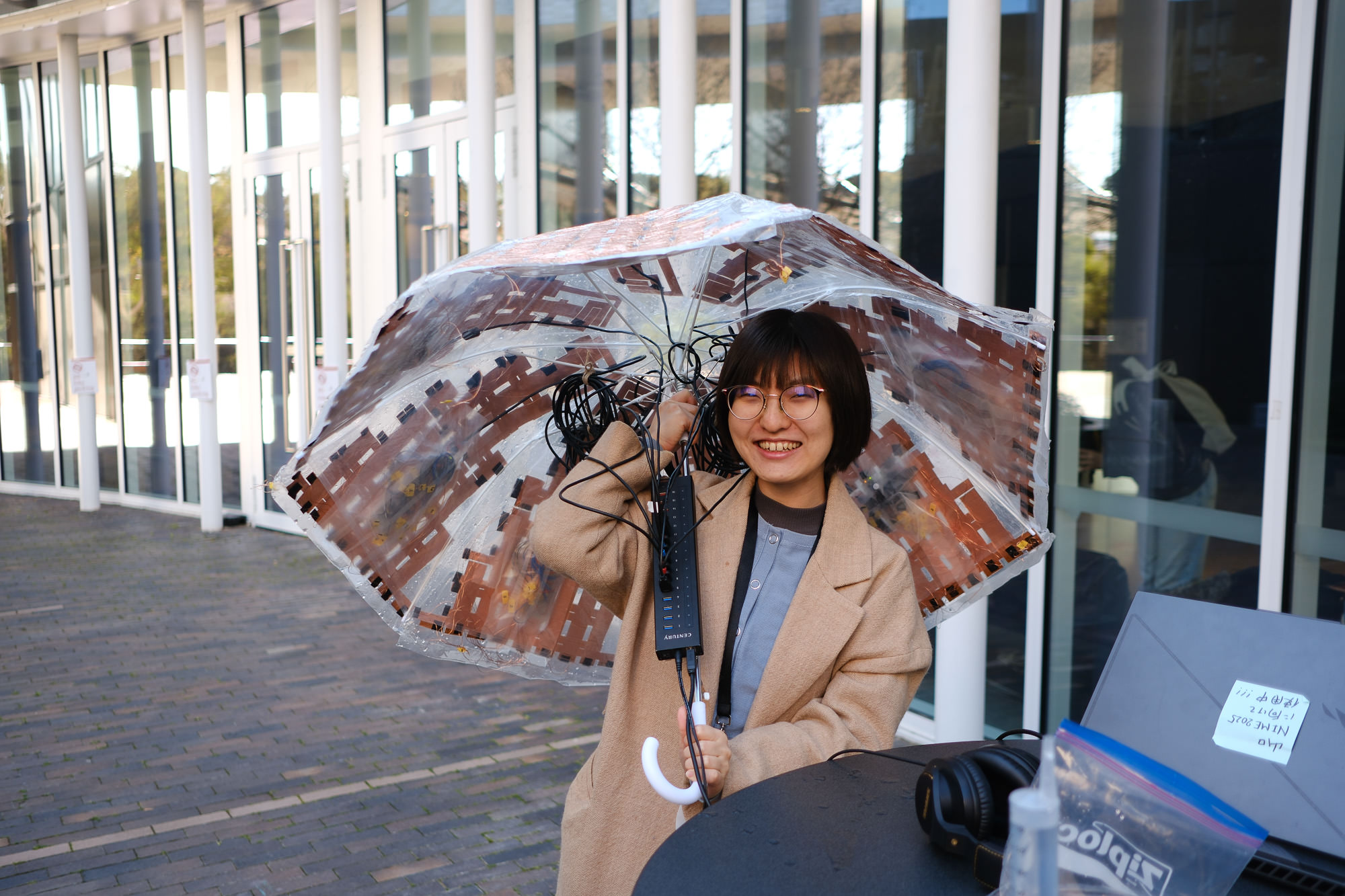
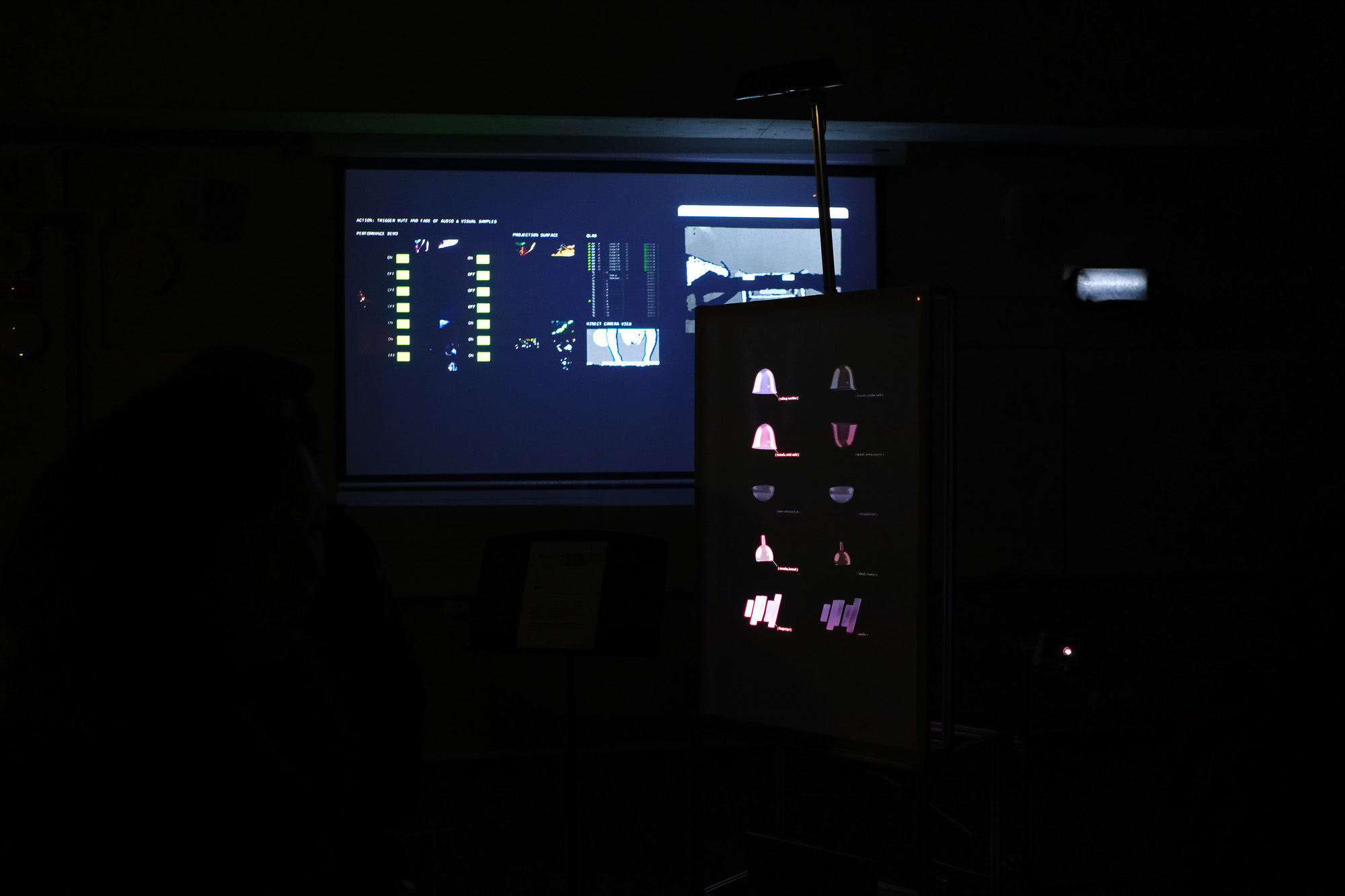
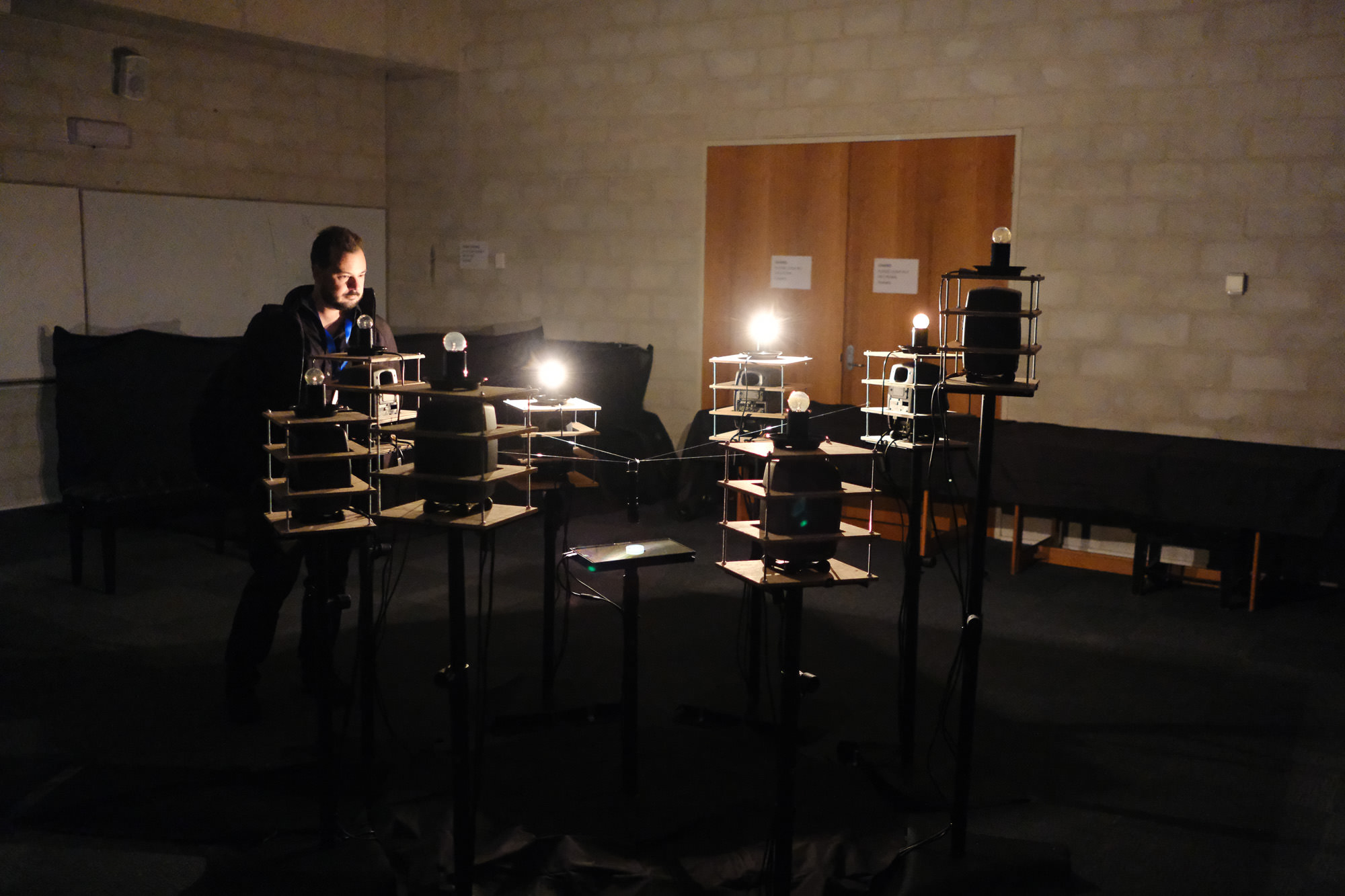
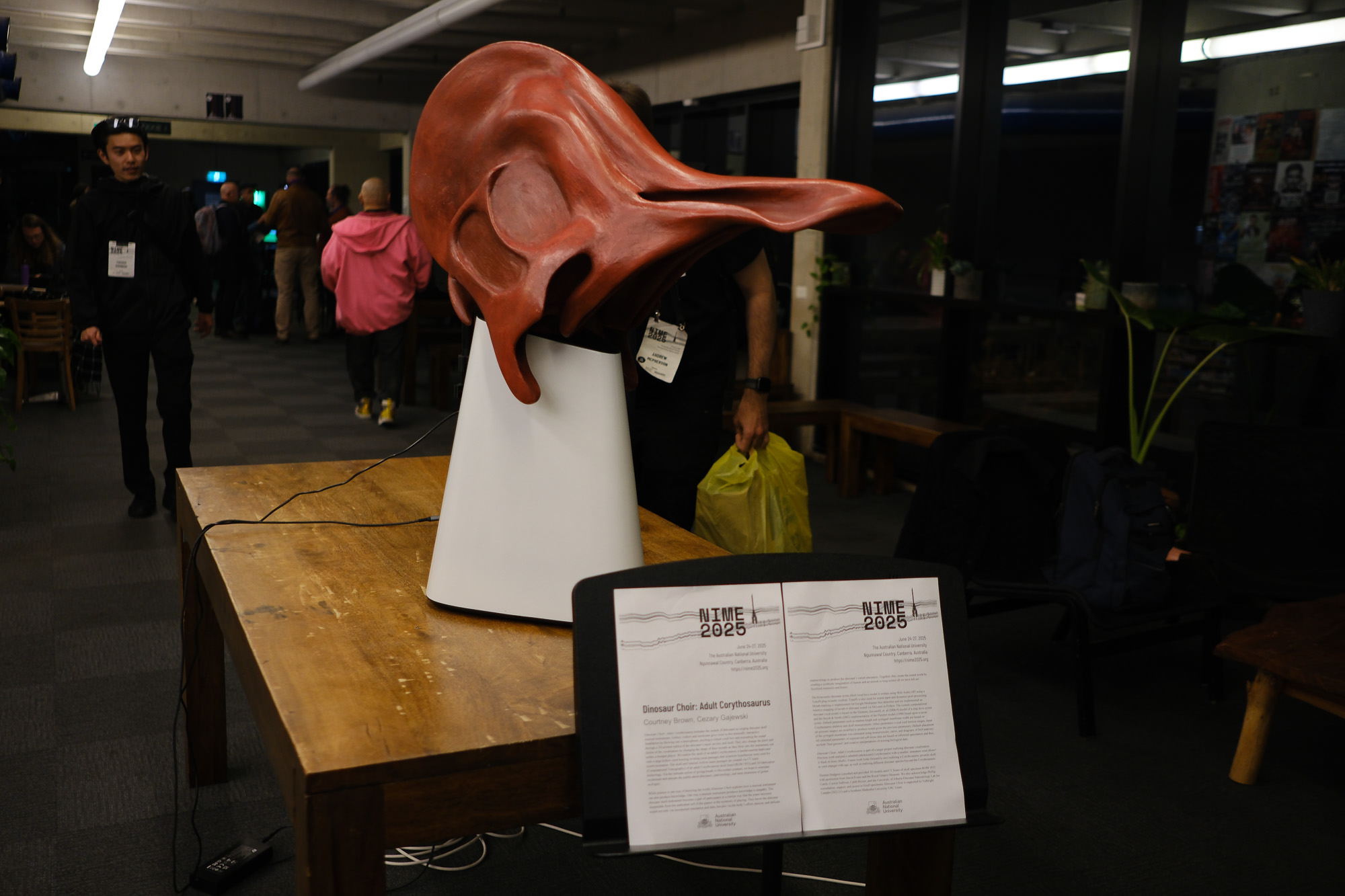
-
In ye olden days, the paper proceedings would have been finalised and printed in a book for conference attendees to purchase as part of the registration fee. So I can’t quite say we were the first to be ready in advance of the conference, but definitely the first in a while. ↩