Inclusive Teaching Practice

Dr Charles Martin

Plan for this session

As a student you have had to teach yourself. Tutoring means working with others with different backgrounds and experiences.

This session is about how we can teach to support a diversity of students and to make sure they succeed.

  1. Inclusion, Diversity, Accessibility
  2. Equitable access to learning
  3. Inclusion anti-patterns
  4. Strategies for inclusive teaching
  5. Scenario discussions

Inclusion, Diversity and Accessibility

Photo by Clay Banks on Unsplash

Diversity, Inclusion, Accessibility are different concepts

  • Diversity: The mix of people in an environment and how they identify in terms of social and professional (academic?) identities.

  • Inclusion: The mix of people in an environment working together so that everyone feels respected, connected, contributing, progressing.

Source: Diversity Council Australia, Inclusion Model, Sydney, DCA, 2025.

  • Accessibility: “Assisting students to participate fully in their program of study by minimising the impact of disability and disadvantage on learning.” ANU Accessibility Page

ANU stance on inclusion

Membership of the ANU community means committing to our institutional values, including “being a standard-bearer for equity and inclusion”. ANU Strategic Plan 2021-2025
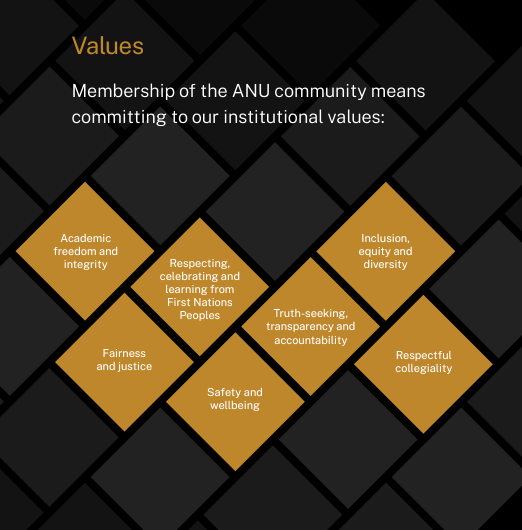
Inclusion, equity and diversity are ANU values.

Code of practice for teaching and learning

  • Respect diversity, e.g., diversity of culture, religious belief, age, race, gender and other personal and group-based attributes.
  • Recognise that diversity of student and staff backgrounds, opinions and views is a valuable resource for enhancing critical, motivated and dialogic teaching and learning.
  • Experience an environment that is _equitable, collegial, and responsive to the diversity of individuals.
  • Contribute to an environment free from harassment, discrimination and bullying, with access to complaint procedures which will facilitate speedy and just resolutions.

Guideline - Code of practice for teaching and learning

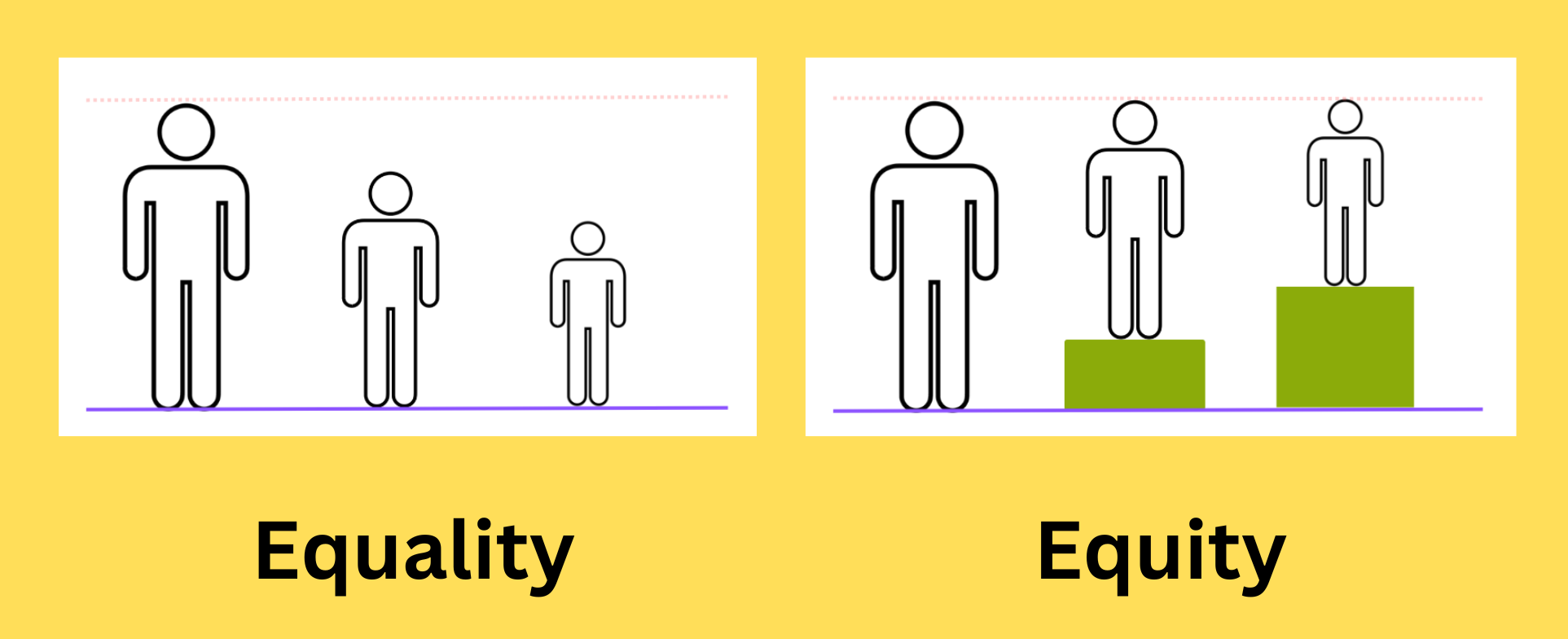
Equity vs Equality

Source: Image by Ciell via Wikimedia Common
  • Equality: Everyone receives the same support regardless of need.
  • Equity: Individuals receive the support they need to achieve the desired outcomes.

Task Diversity in the classroom

Think-Pair-Share:

Given that university classrooms are diverse, what opportunities and benefits does this provide?

  1. Think individually (1 min)
  2. Pair: discuss with a partner (1 min)
  3. Share: present examples to the group (2 mins)

Photo by Shane Rounce on Unsplash

Barriers to learning

Photo by Nick Fewings on Unspalsh

Barriers to learning

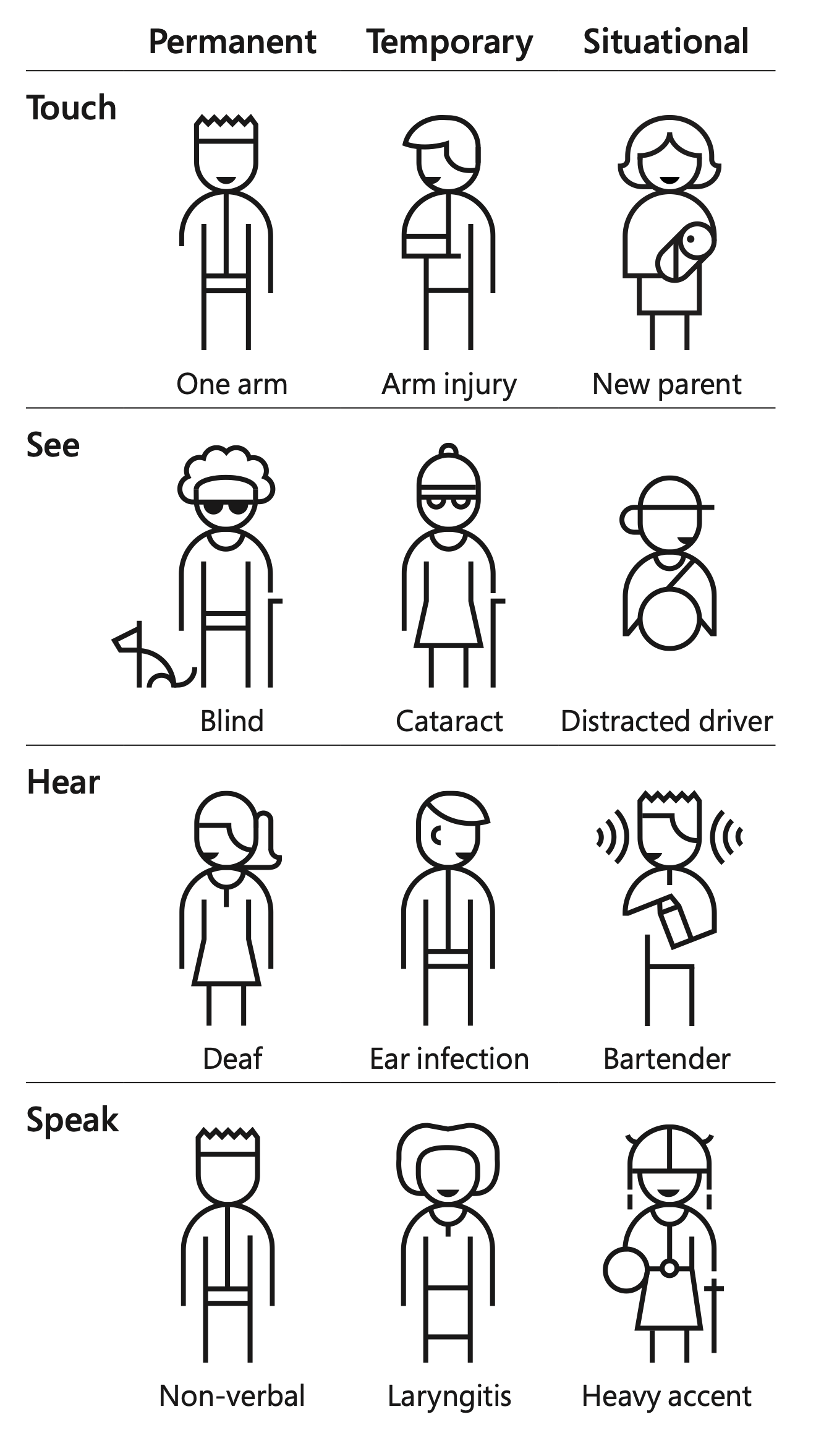
  • Barriers could be: physical, sensory, mental, emotional, cognitive, cultural, social.
  • Factors may lead to challenges depending on context, or only some situations.
  • They may be permanent, temporary, or situational for the individual
  • Inclusive teaching can help individuals with specific challenges but the assistance can extend to others as well.

Some other barriers:

  • cognitive: information processing, learning speed
  • sensory: classroom environment, learning activity format and presentation
Accessible Digital Content

  • Digital content in your classes may not be accessible our students because of issues with formats, images, or structure.
  • For example, folks who use screen readers or other assistive technologies.
  • But also, folks looking at course sites on their phone or tablet (!)
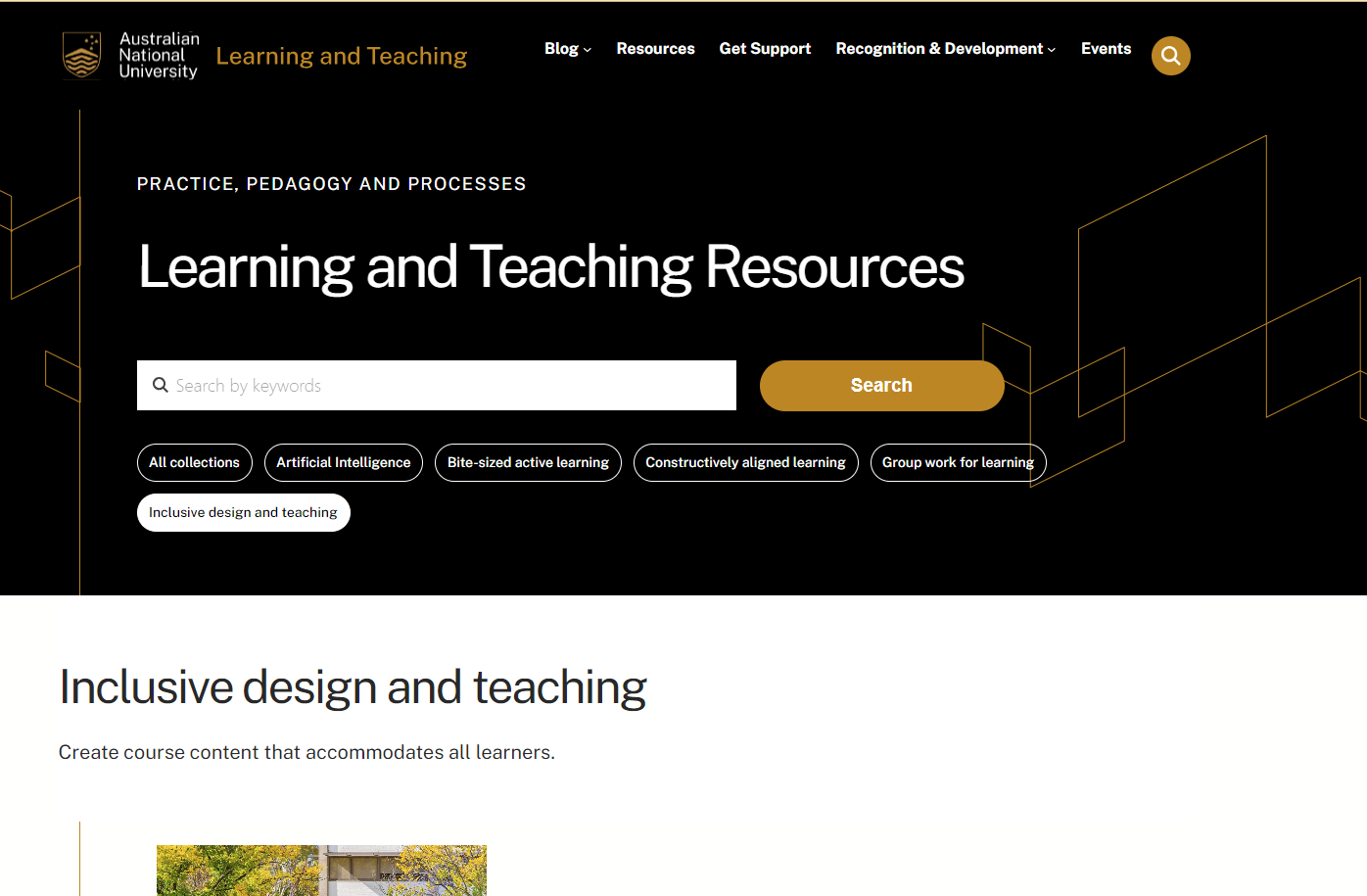
  • ANU has some advice about accessible digital content
  • Canvas has built-in accessibility checkers
ANU’s Learning and Teaching resources

Task: Identifying barriers to learning (5mins)

What’s a barrier to learning that you have observed as a student? Is there something you have experienced or seen in action temporarily, or in particular situations?

  1. Write down on some sticky notes barriers you can think of.

  2. When everyone in your group is ready, explain your sticky notes to your group. Try to identify any common themes.

Inclusion anti-patterns

Sometimes our ways of working are not as inclusive as we would hope.

Photo by seabass creatives on Unsplash

Inclusive teaching is not automatic

  • Our teaching is probably not inclusive enough.
  • Some typical ways of working leave students out.
  • We need to work hard to detect inclusion anti-patterns and to mitigate or eliminate the effects.

Inclusive teaching is valued at CSS, that’s why we are spending time on it today!

Task: Dangerous Patterns for Inclusion (5mins)

Can you think of any common teaching patterns that are dangerous for inclusion?

  • Doesn’t have to be actively hostile to be a bit less inclusive than we would hope.
  • Some practices may be less-than-inclusive but necessary or desired (on balance)

Discuss as groups, and share an example from each table.

Heard around ANU: why could these statements be problematic?

We supply the tools, it’s up to the students to do the rest.

All students need to read and fully understand the exercises before attending class.

All third year CS students should be comfortable using Linux.

You won’t get an extension without a medical certificate.

You can’t use generative AI for any aspect of this course.

Students don’t understand computers anymore.

How do these statements interact with the idea of academic standards?

Strategies for inclusive teaching

So we have discussed barriers but what can we do about it?

UniReadyToolkit Principles

Know your students

Seems straightforward, but is it?

  • This will make it easier to see and respond to their needs.
  • If you know your students you will want to help
  • In many cases you will know what to do when you see it.

Photo by Mikael Kristenson on Unsplash

Design Inclusive Curricula

This is about the course content, structure and assignments. So what can tutors do about this?

  • help convenor by communicating course and class structures.
  • signpost difficult topics for students, help scaffold them during class.
  • clarify expectations for assessments, one good way: “I can’t help with the assignment but THIS exercise in the lab is directly related and I CAN help with that”.
  • help understand rationale for assessments.
  • provide actionable feedback (within reason)

Embed Academic Literacies

This is about being explicit in the skills needed to complete and demonstrate learning.

  • Explicity teach academic conventions
  • Encourage active engagement in academic texts
  • Explicity teach information literacy skills

Photo by Yancy Min on Unsplash

Use diverse teaching strategies and resources

  • Help students interact and engage: how can we increase collaboration and belonging in our classes?
  • Incorporate real-world applications:
  • Integrate accessibility into your teaching.

Create an inclusive classroom environment

  • Cultivate a positive and inclusive classroom culture
  • Support goal setting and achievement
  • Encourage self-reflection
  • Promote positive role models
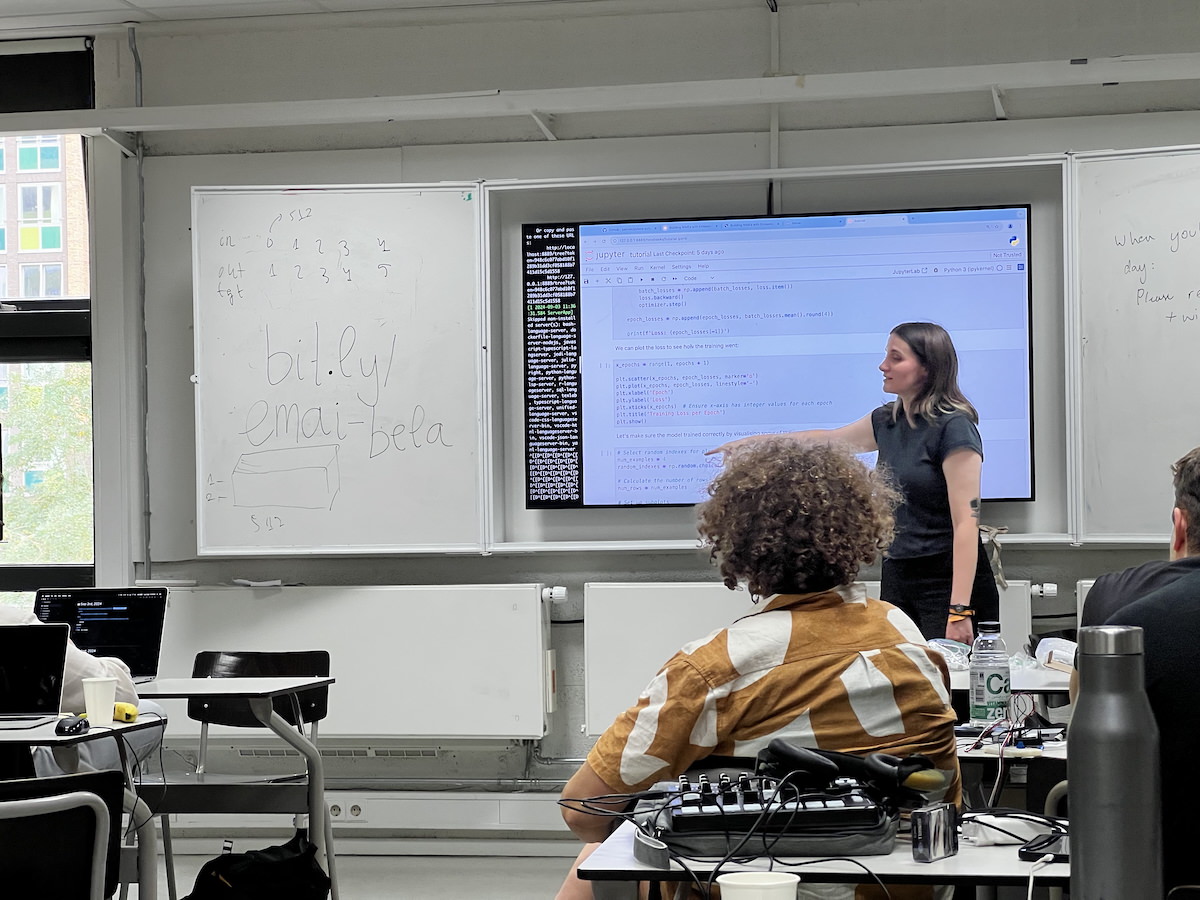
Teaching at a workshop

Embed support systems

  • Incorporate help seeking into classes
  • how can we encourage questions?
  • Direct students to available support resources

Photo by Matthew Waring on Unsplash

Facilitate continuous reflection

  • Reflect on the effectiveness of your teaching strategies
  • Elicit feedback from students.

Task: Applying one strategy ✨

At your table:

  • Choose a strategy that you could apply in a class you are teaching or have previous taken.

  • Discuss concrete actions you could take to implement that strategy.

  • What would the benefits be? Would there be any drawbacks?

We’ll bring the room together to hear some ideas.

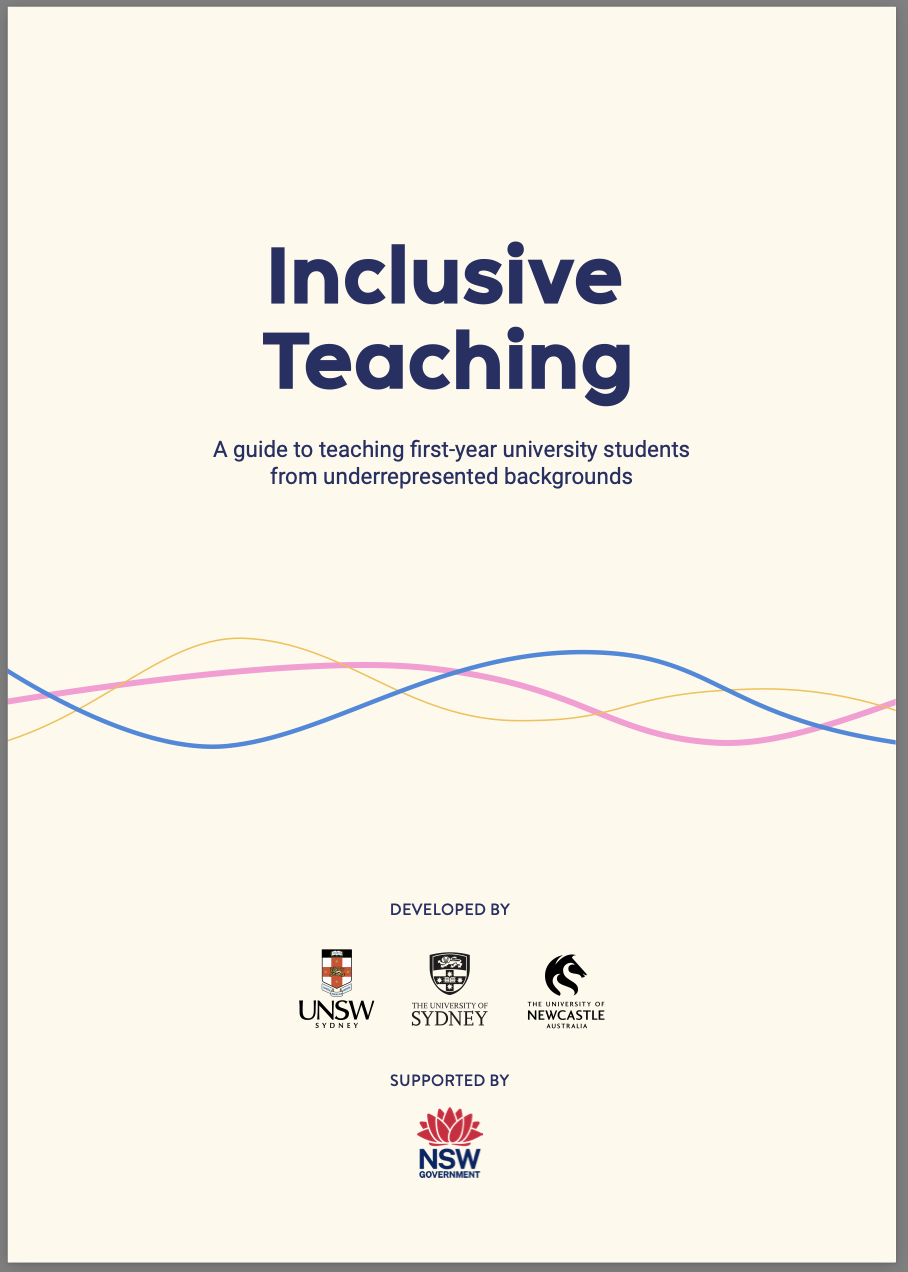
The Principles (Teague et al., 2024):

  1. know your students
  2. design inclusive curricula and assessments
  3. embed academic literacies (e.g., hidden curricula)
  4. use diverse teaching strategies and resources
  5. create inclusive classroom environment
  6. embed support systems
  7. facilitate continuous reflection

Questions: Who has a question?

Who has a question?

It’s time to head home! Happy to take questions now or hear from you over email anytime…

Time to head home, see you out there teachers!

Scenario discussions

Each group will have 10 minutes to work through a scenario and formulate a response to share with everybody.

  • Consider the scenario and think about your response.
  • Pair with another group member to share and discuss your thoughts.
  • Share and discuss your preferred solutions with the group.

References

Teague, M., Head, K., Osborne-Crowley, K., Ridolfo, H., Jellema, L., Fitzsimmons, D., Turnbull, K., Robertshawe, E., Odewahn, S., Bennett, A., Mansfield, M., Clarke, S., Denham, R., & Bridgeman, A. (2024). Inclusive teaching: A guide to teaching first-year university students from underrepresented backgrounds. UNSW - USyd - UoN. https://unireadytoolkit.com.au/sdm_downloads/inclusive-teaching-guide/